
Eavestrough & Gutter Services in Milton
Installation, replacement and repair for eavestroughs, downspouts, gutter guards, soffit and fascia, with attention to how roof runoff moves from the roof edge to the final discharge area.
- Installation & Replacement
- Repairs
- Downspouts
- Soffit & Fascia
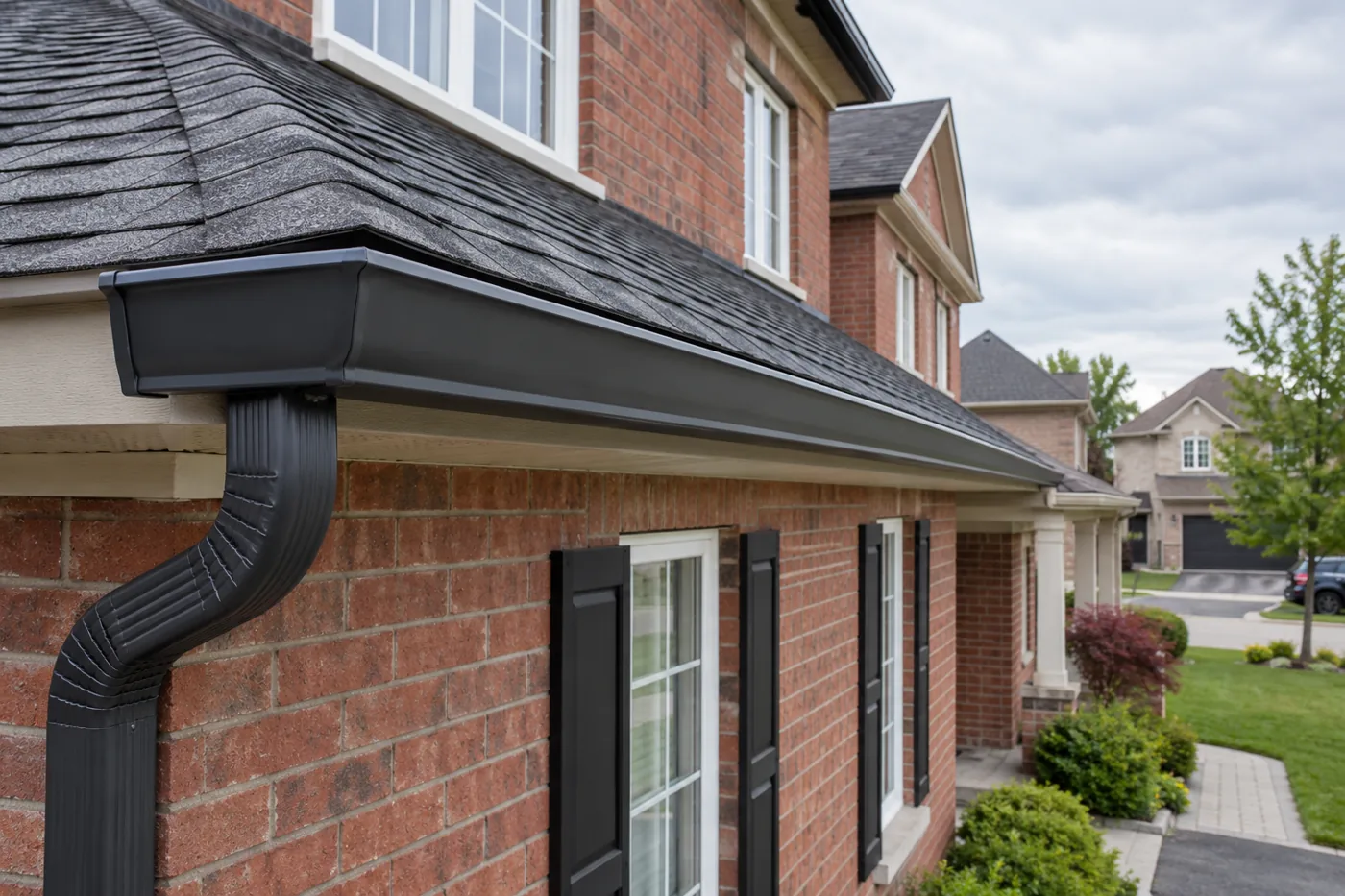
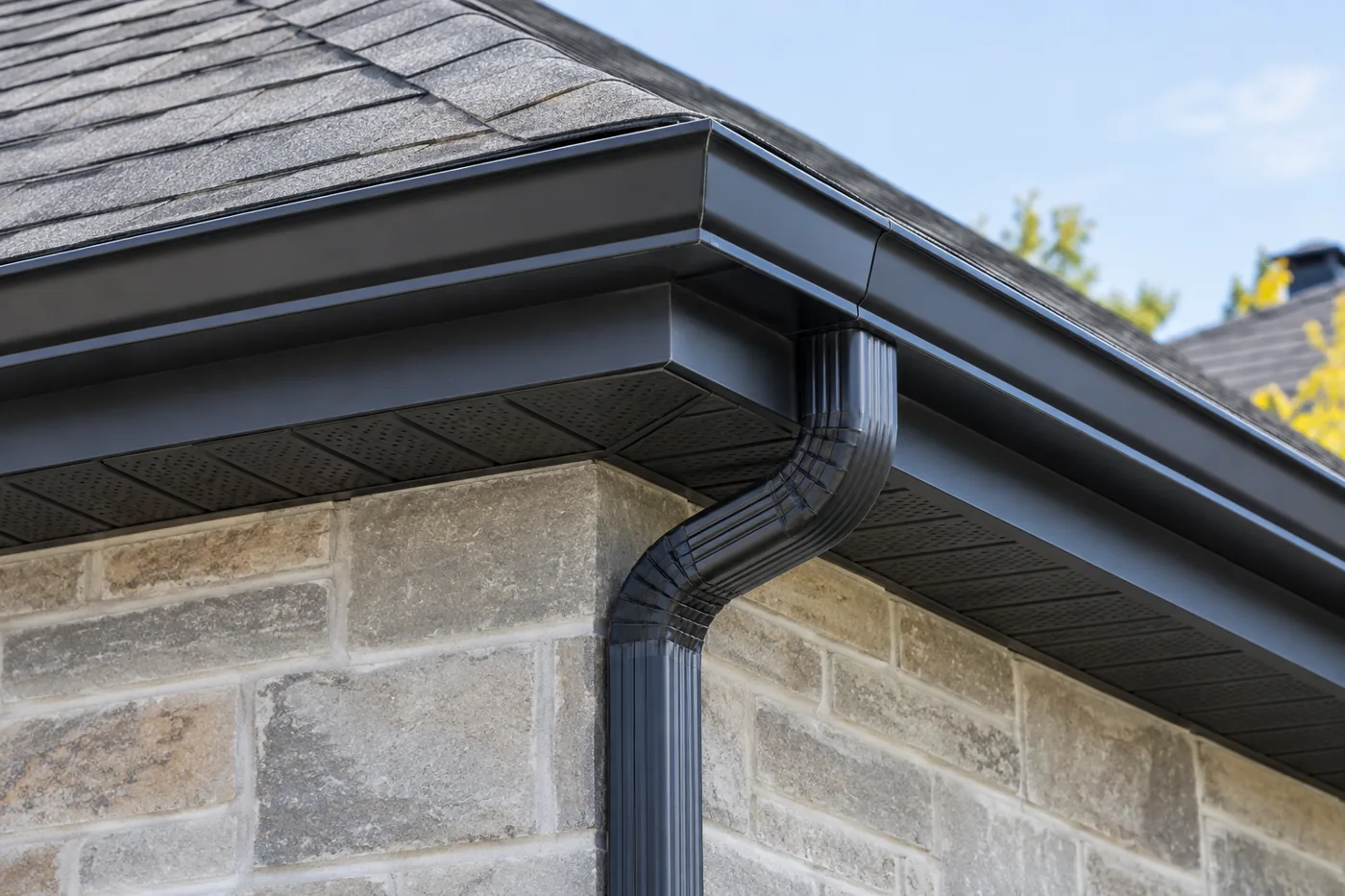
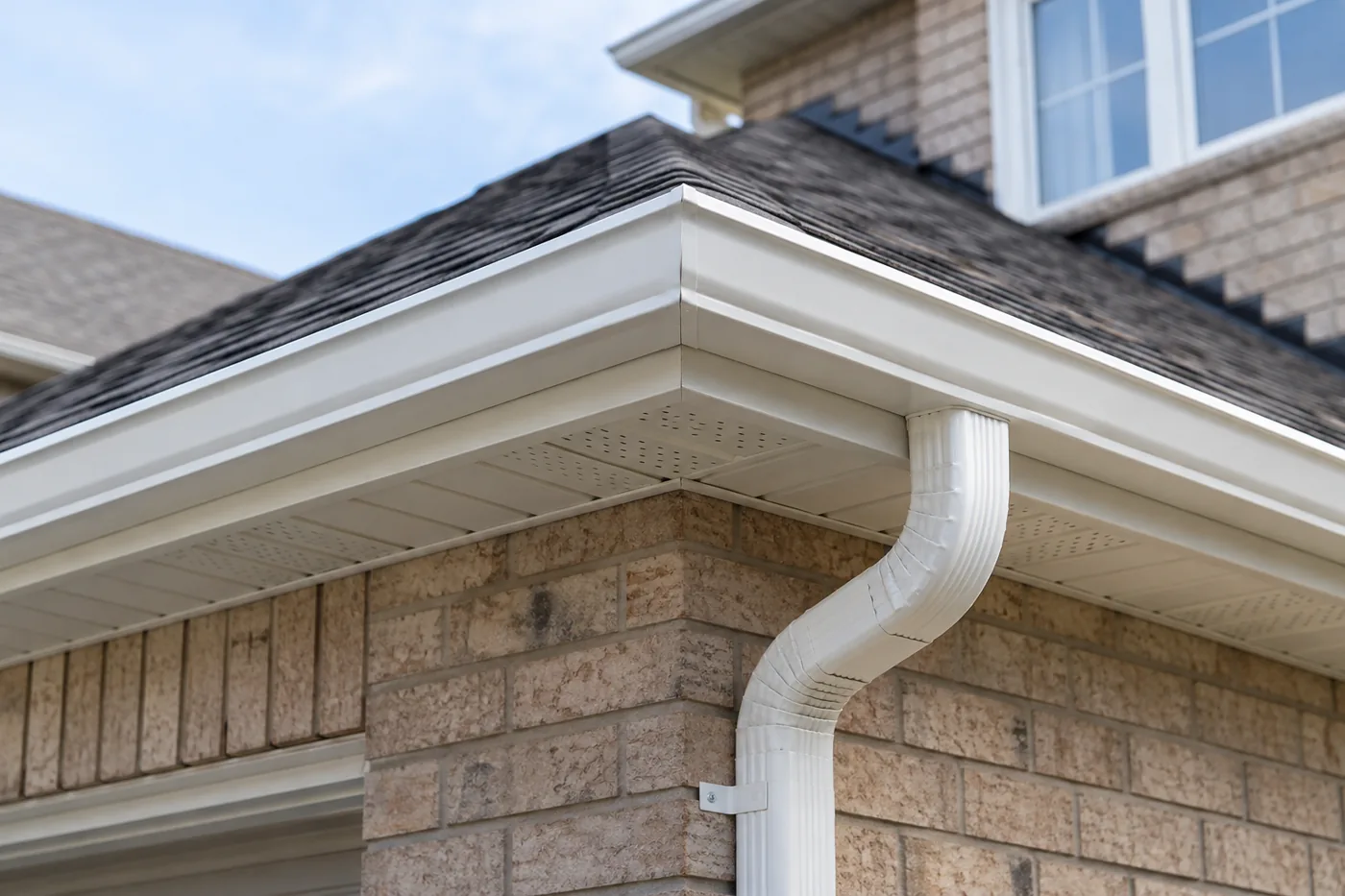
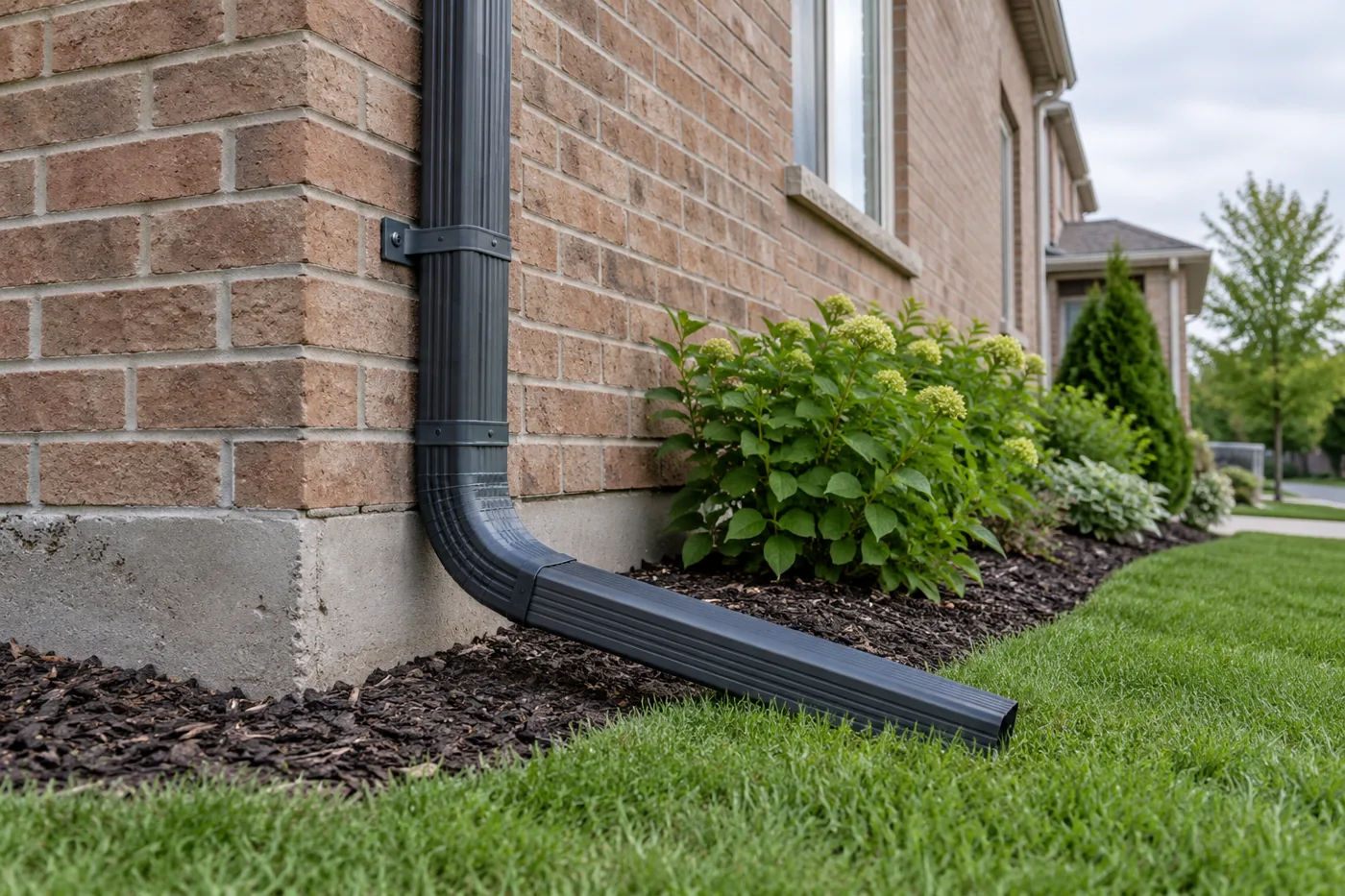
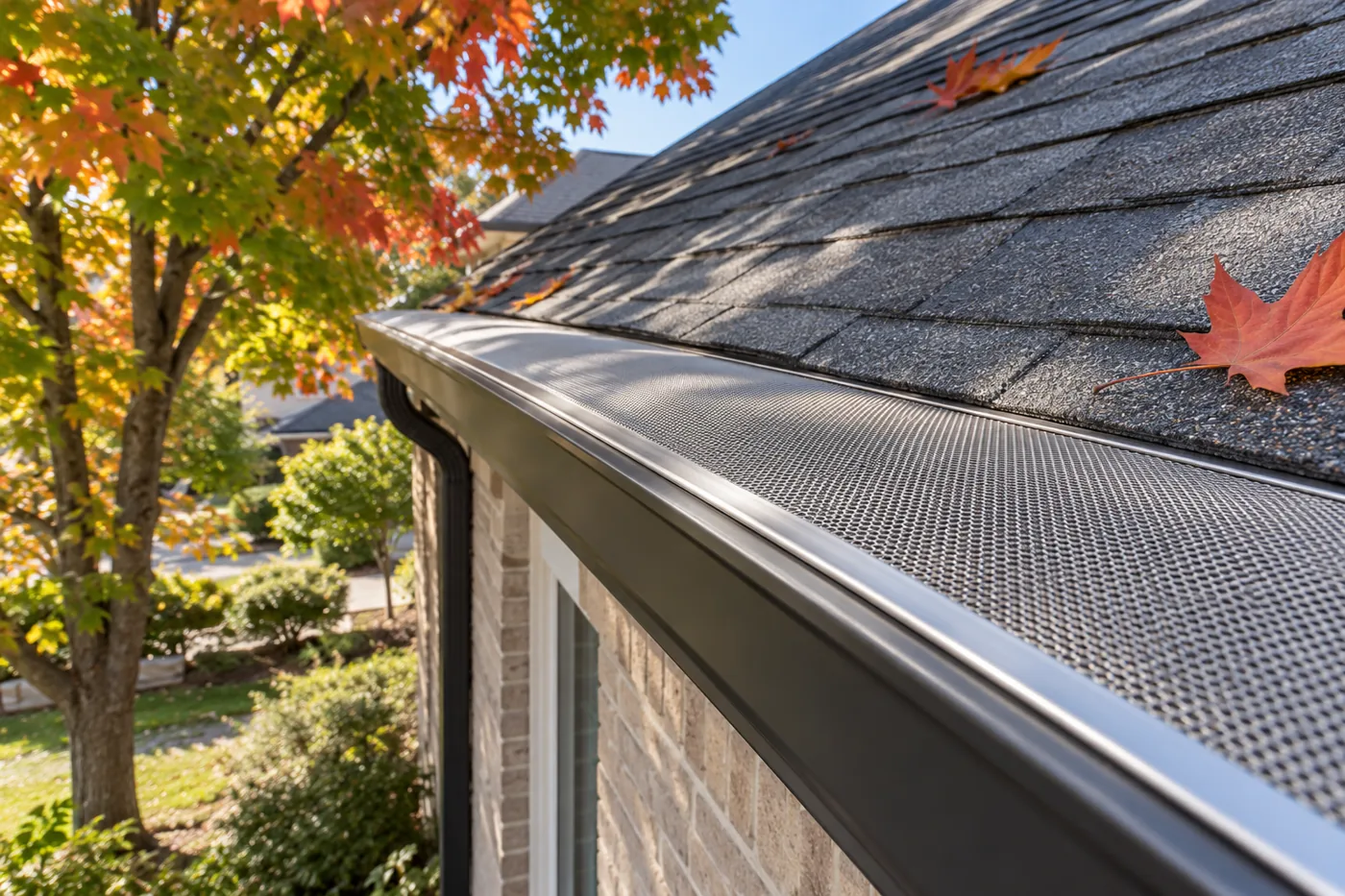
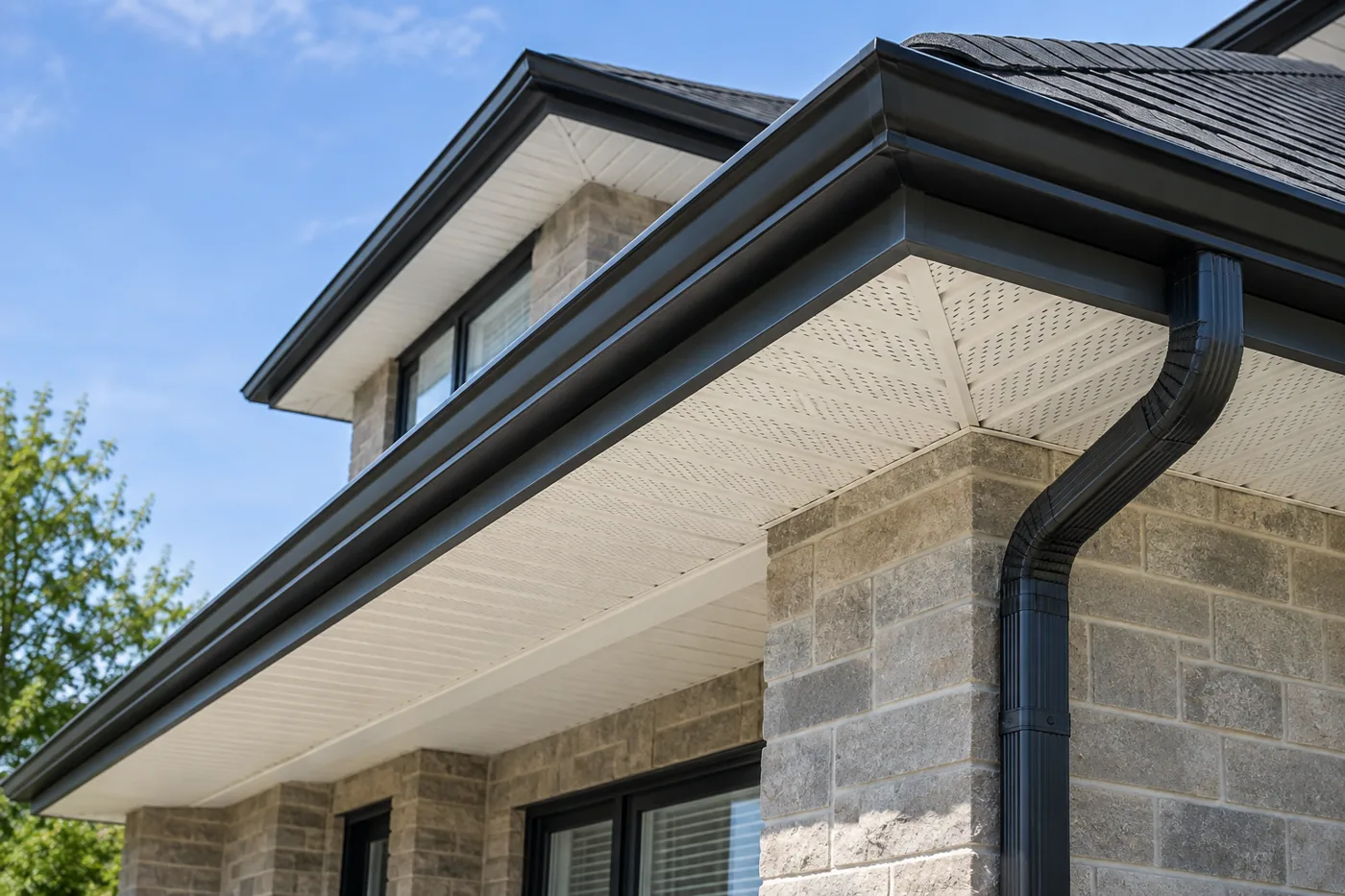
Roof runoff → Eavestrough → Outlet → Downspout → Discharge
Tell Us What Is Happening Around the Roofline
A useful starting point is where water appears, when it happens and what lies below the roof edge. Tell us whether you need installation, replacement, repair or a closer look at drainage.
Helpful details to include
- Property type, approximate height and access
- Where water appears and when it happens
- Installation, repair or maintenance goal
- Photos of the roofline and discharge area, if available
Tell us about the property
What Are You Seeing?
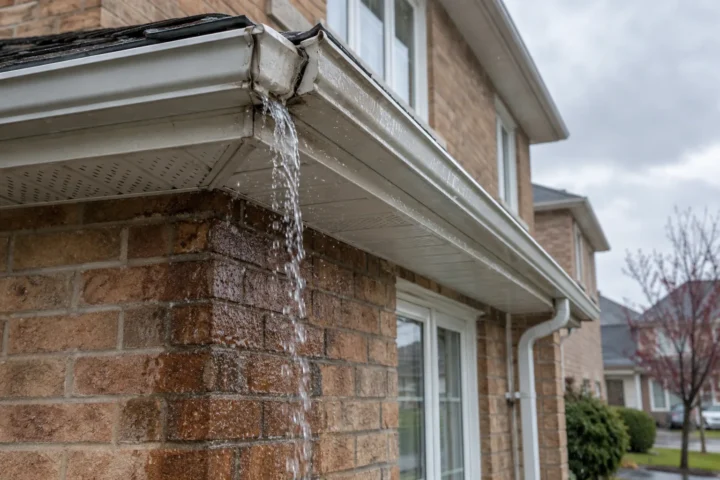
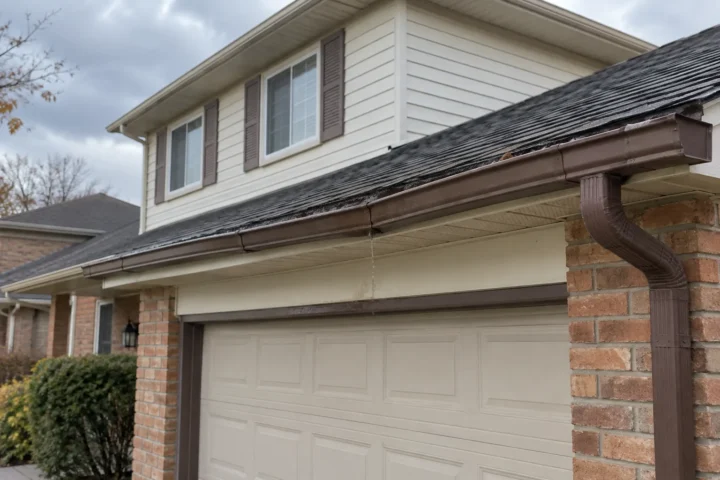
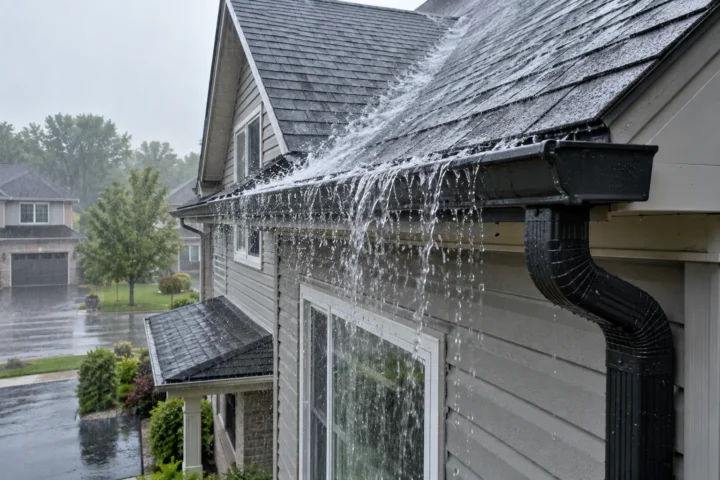
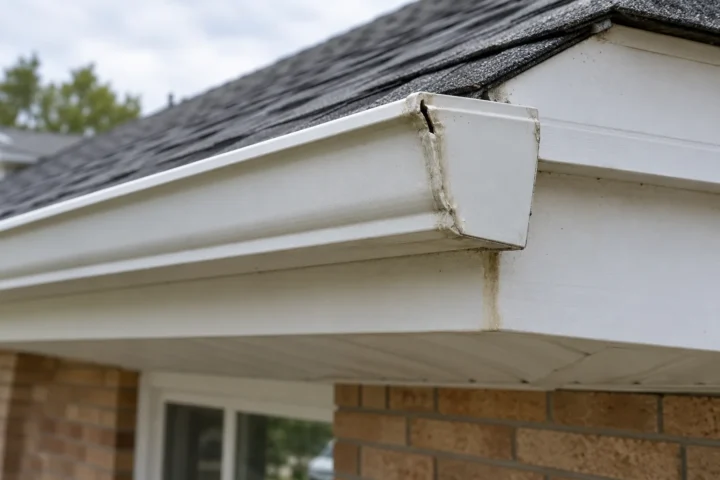
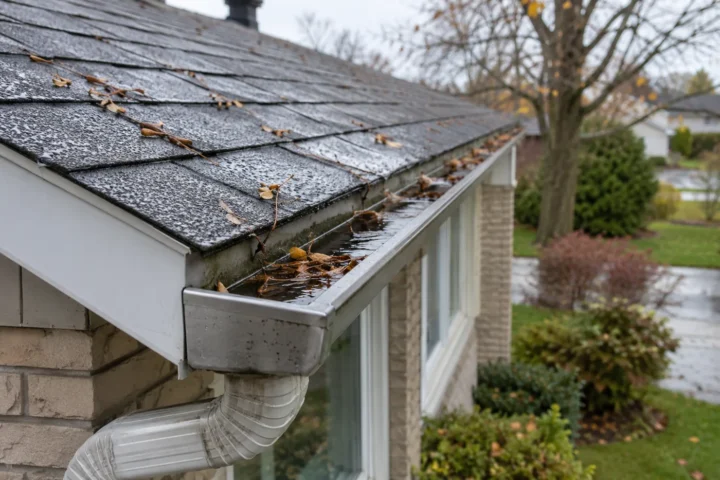
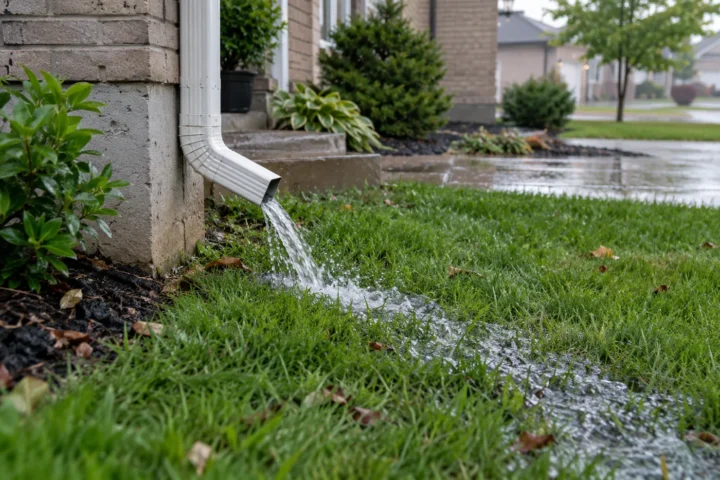
Water can pass the gutter, leak through a joint, collect in a sagging run or discharge too close to the building.
Core Residential Services
From a single damaged run to a complete exterior drainage layout.

Installation & Replacement
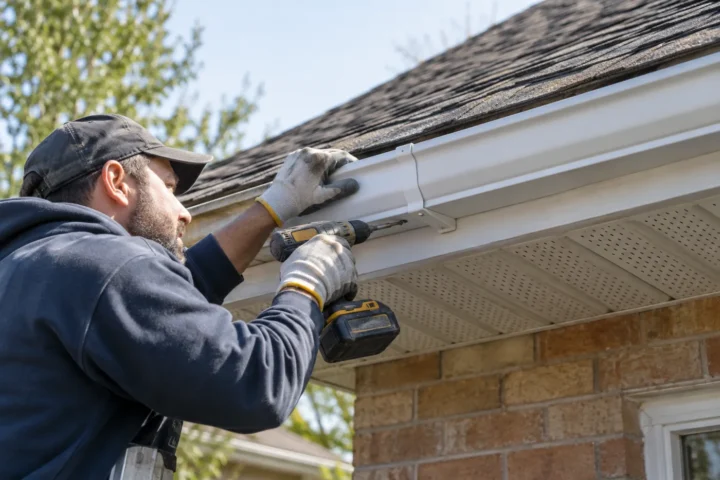
New eavestroughs should capture roof runoff, move it to correctly placed outlets and guide it to a suitable discharge area.
View details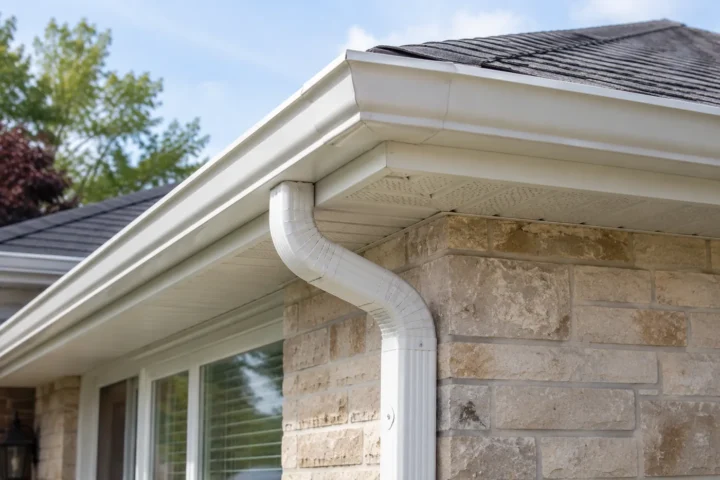
Gutter Repair
One failed gutter component does not automatically mean that the entire system needs replacement.
View details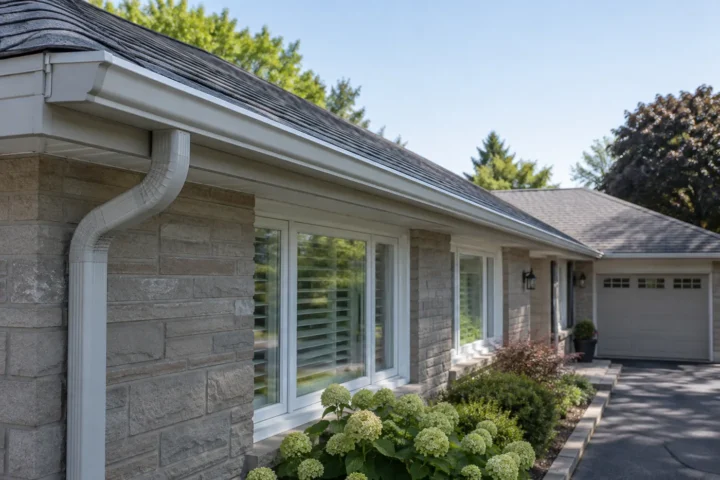
Seamless Aluminum
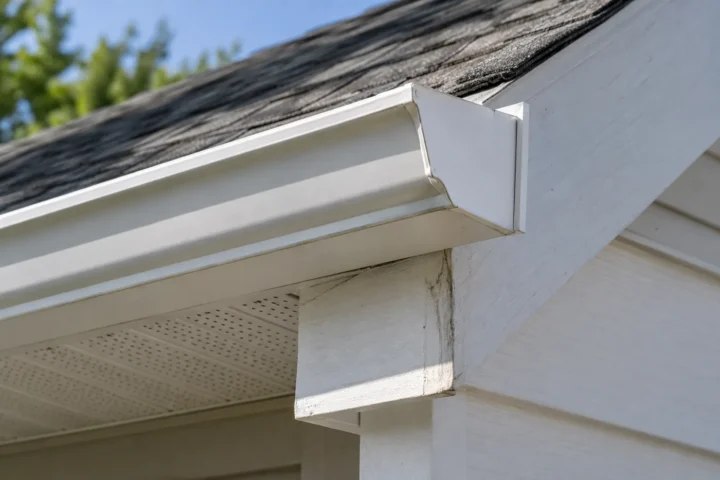
Continuous aluminum runs reduce intermediate seams while preserving the connection details that a working drainage system needs.
View details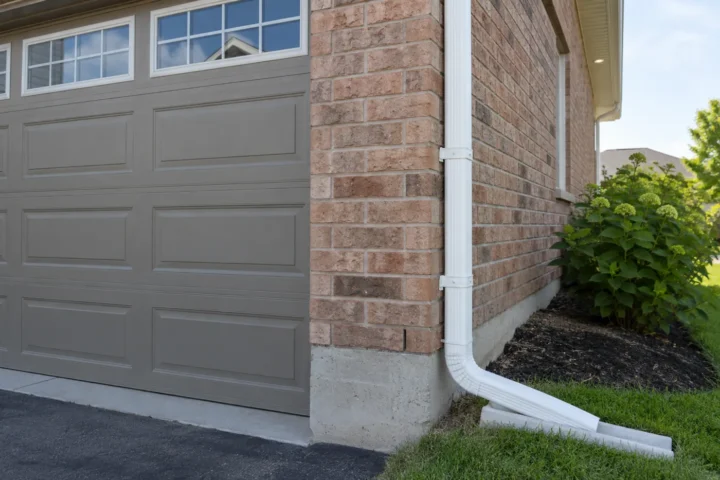
Downspouts
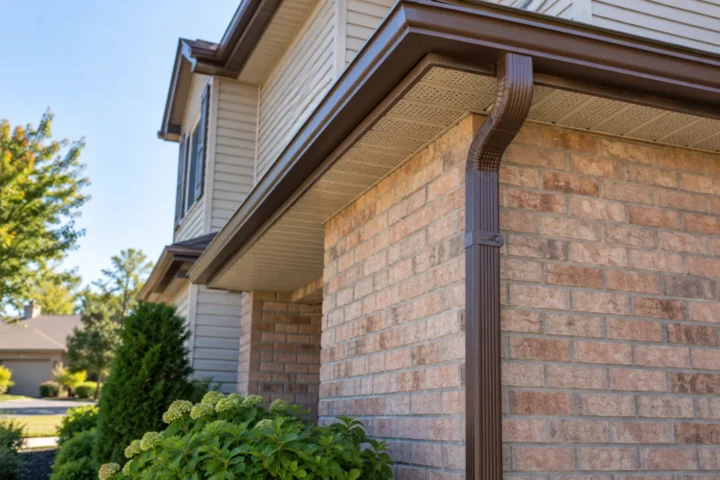
A downspout is the bridge between a roof-edge gutter and the ground-level drainage area.
View details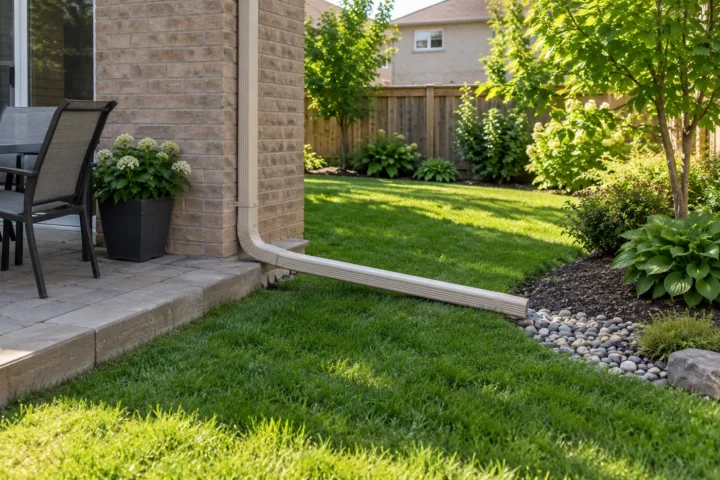
Gutter Guards
Gutter guards can reduce debris entering a channel; they do not make an eavestrough system maintenance-free.
View details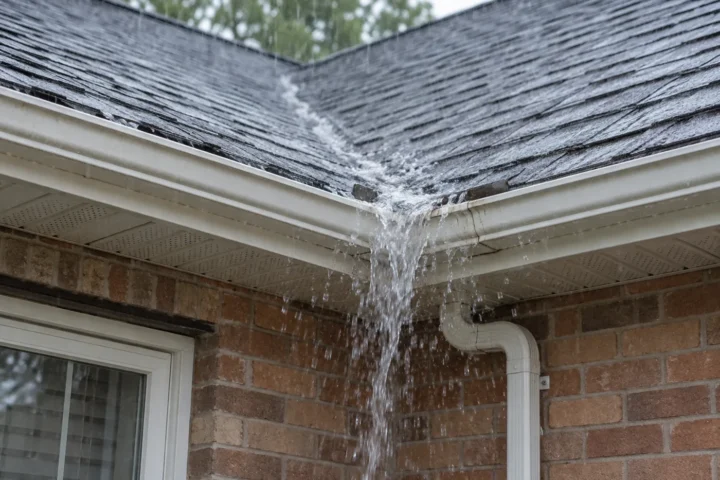
Soffit
Soffit finishes the underside of a roof overhang while contributing to the roof-edge assembly.
View details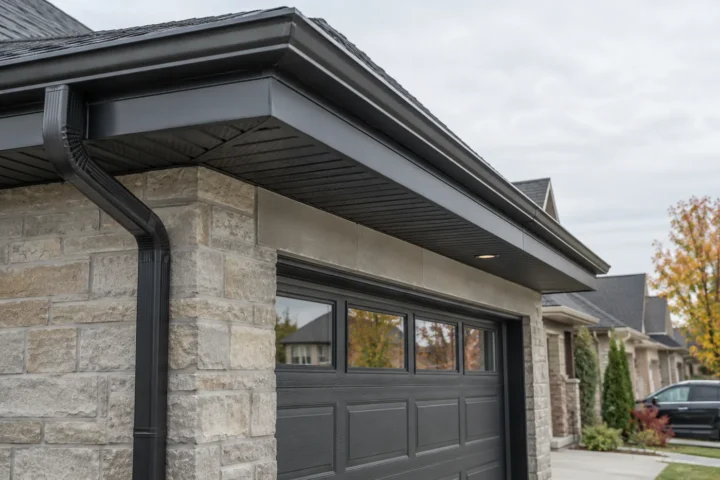
Fascia
Fascia creates the finished outer edge of the roof overhang and often forms the visible gutter attachment area.
View details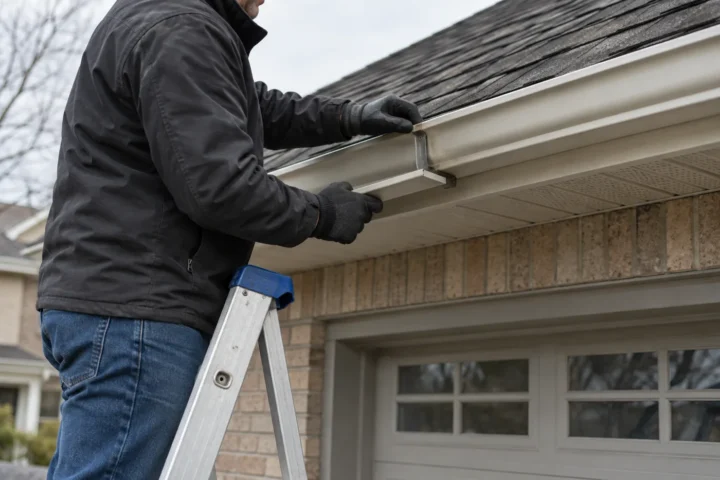
Cleaning & Maintenance
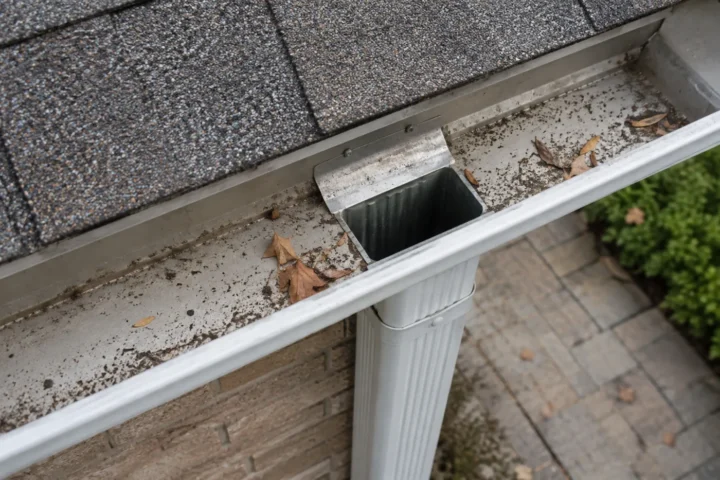
Cleaning removes material that blocks the gutter, outlet or downspout, then checks whether water has a path to leave.
View detailsFollow the Water From Roof to Ground
Each connection has a job. A change at one point can move the problem elsewhere unless the route is considered together.
Roof Runoff
Roof shape, area and valleys determine where water concentrates.
Eavestrough
The run, slope, profile and attachment receive that flow.
Outlet
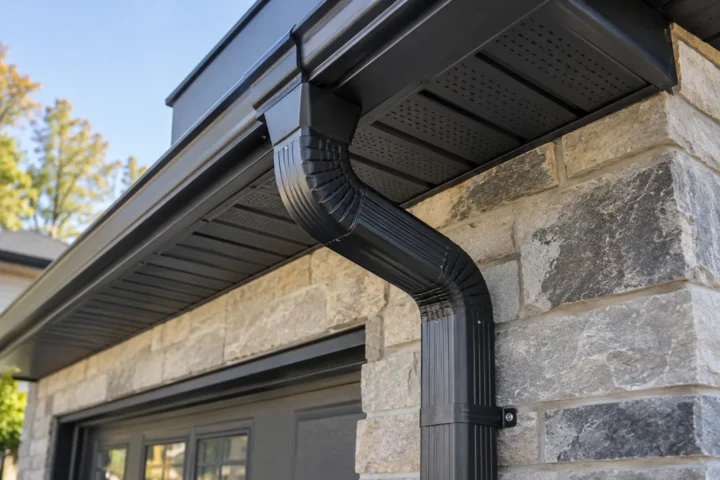
The opening moves water into the vertical route.
Downspout
Elbows and wall routes carry it toward the ground.
Discharge Area
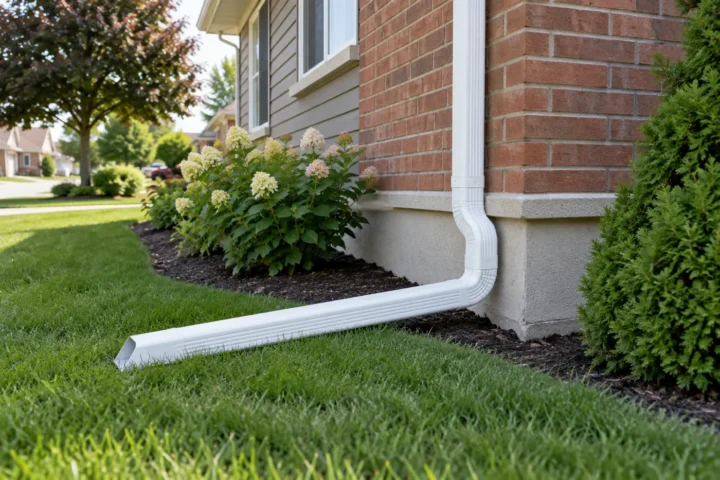
The last step considers grade, access and adjacent surfaces.
Repair or Replace?
One failed component does not automatically call for a complete replacement. The decision depends on how much of the system remains sound and whether the layout can perform properly.
Read the Repair vs Replacement Guide| Repair may make sense | Replacement may make sense |
|---|---|
| One joint, corner or outlet is affected. | Multiple joints or long runs repeatedly fail. |
| A short section or attachment point needs correction. | Material and attachment are deteriorated across the roofline. |
| Surrounding material remains serviceable. | Slope, outlet layout or downspout route performs poorly. |
| The original layout still manages water well. | Past repairs have not resolved recurring problems. |
Gutters & Downspouts Work Together
Seamless Gutters
Continuous runs reduce intermediate seams while corners and outlets still need careful detailing.
Explore ServiceDownspout Installation
Outlets, elbows, supports and vertical routes should match the building and runoff.
Explore ServiceDownspout Rerouting
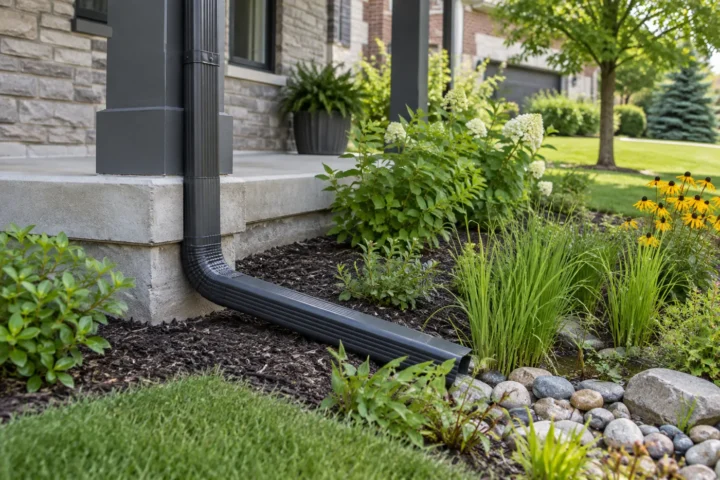
A new route can address a walkway, driveway, side yard or foundation-adjacent discharge.
Explore ServiceOverflow Troubleshooting
A clean gutter can still overflow when slope, outlet flow or concentrated runoff is wrong.
Explore ServiceWhere the Downspout Ends Matters
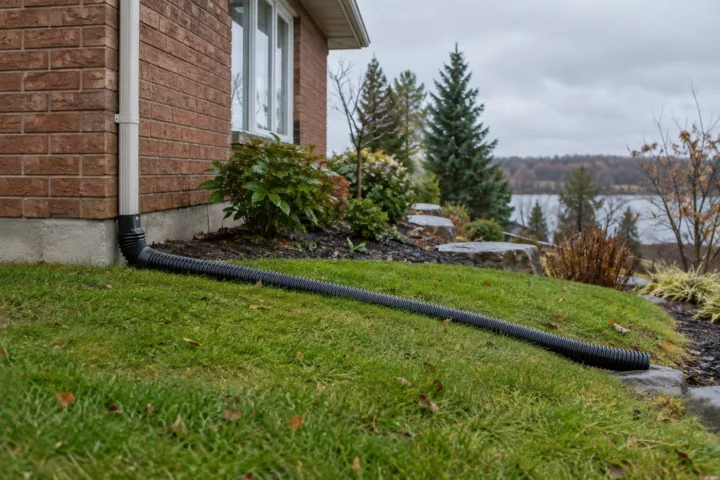
Heavy rainfall makes the final discharge point more visible. A downspout ending beside a foundation, onto a walkway or in a low area may call for a different route. The chosen destination also needs to consider grading, neighbouring property and winter icing.
Roofline improvements manage roof runoff. Basement water can have more than one cause and may need a separate assessment.
Read the Milton Drainage GuideFinish the Roofline With the Gutter
Soffit
Soffit finishes the underside of a roof overhang while contributing to the roof-edge assembly.
View details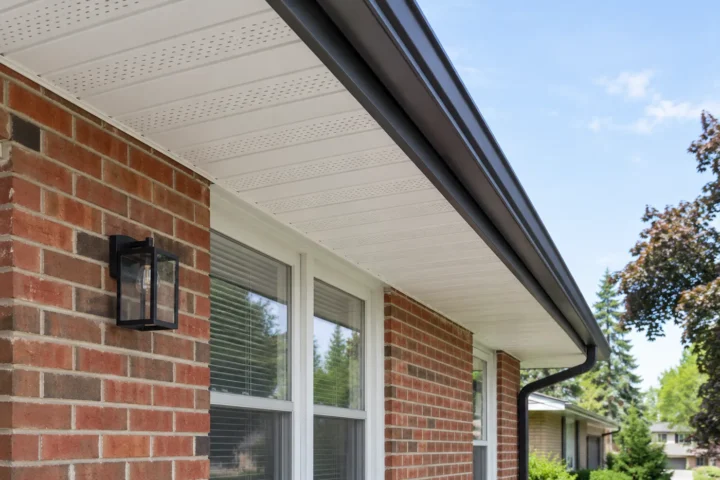
Fascia
Fascia creates the finished outer edge of the roof overhang and often forms the visible gutter attachment area.
View details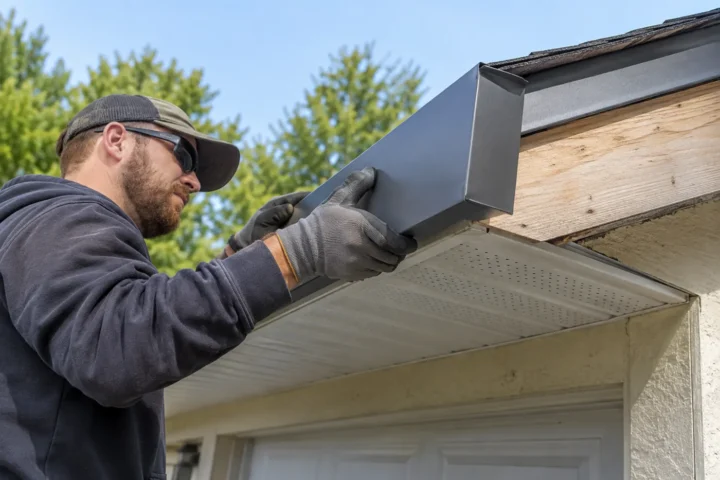
Aluminum Capping
Aluminum capping finishes exposed exterior trim while keeping the condition of the underlying material in view.
View detailsLoose or damaged materials may call for a focused repair. Explore Soffit & Fascia Repair
Guards & Maintenance
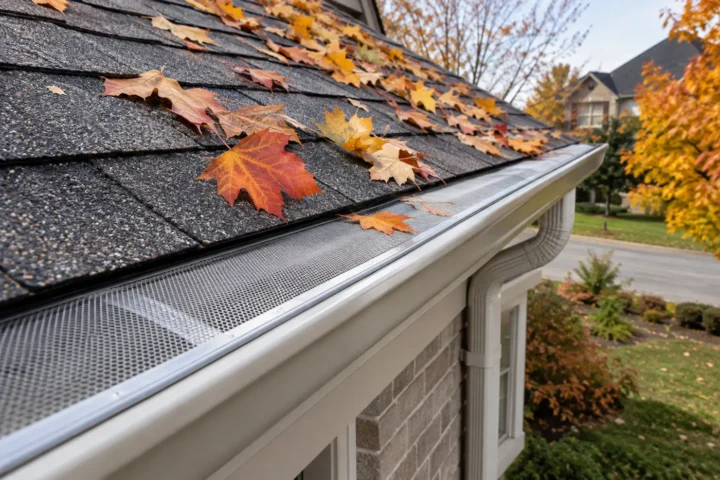
Debris control is useful, but no gutter system becomes maintenance-free.
Gutter Guards
Match the guard to the existing gutter, tree cover and outlet condition.
Learn MoreGutter Cleaning
Clear the run and check the outlet and downspout route.
Learn MoreMaintenance & Inspection
Review joints, attachment, drainage and visible roofline conditions.
Learn MoreSeasonal Planning
Consider spring seeds, autumn leaves, storms and winter discharge.
Learn MoreDifferent Properties, One Complete Water Path
Residential Rooflines
Installation, targeted repair, downspouts, guards, cleaning, soffit and fascia can be scoped to the condition of the house and where water flows after leaving the roof.
View Residential ServicesCommercial and Multi-Residential
Longer runs, repeated elevations, tenant access, parking, pedestrian areas and multiple buildings shape the work on managed properties.
View Commercial ServicesEavestrough Services for Milton Properties
Commercial Installation & Replacement
Plan longer roof-edge runs, outlets, downspouts and final discharge while accounting for building access, tenants and circulation.
Explore Commercial Installation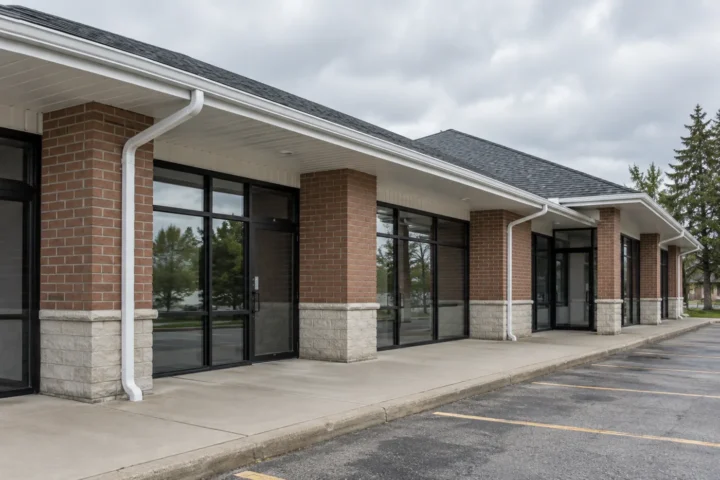
Commercial Repair
View ServiceCommercial Downspouts
View ServiceCommercial Maintenance
View ServiceCommercial Roofline
View ServiceCondo / Multi-Residential
View ServiceProperty Management
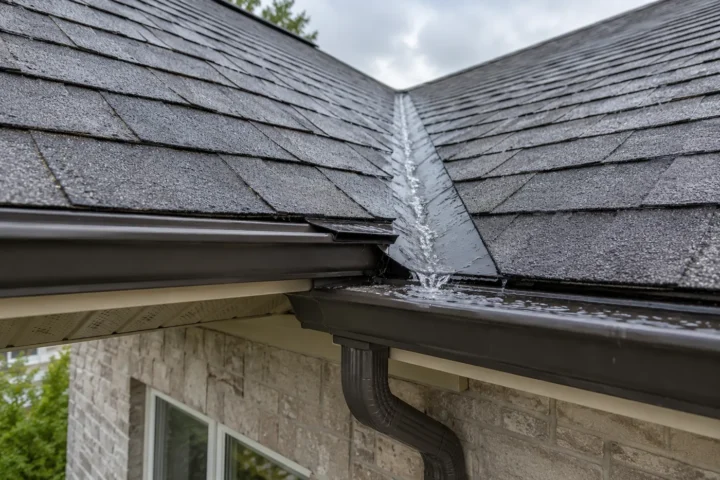
View ServiceLook Beyond the Visible Gutter
Roof geometry, attachment and the final route all affect the scope.
What Affects Eavestrough Cost?
A useful estimate is tied to the actual roofline. Linear footage alone cannot describe the access, corners, profile, downspouts or condition behind the existing finish.
Read the Cost Guide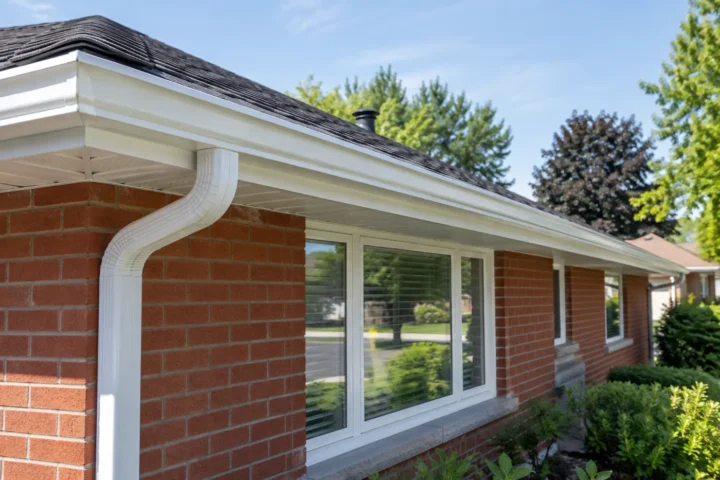
How a Project Takes Shape
Tell Us About the Property
Share the address, property type and the condition you can see.
Review the Roofline
Consider the existing run, attachment and supporting material.
Trace the Water Path
Follow runoff through the outlet and downspout to discharge.
Define the Scope
Separate repairable areas from work that needs replacement.
Complete Approved Work
Carry out the agreed installation, repair or maintenance scope.
Review the Visible System
Check the completed roofline and the planned drainage route.
See the whole roof-water path
The visible gutter is one part of a route. Rain moves down the roof, enters an eavestrough, travels toward an outlet, descends a downspout and finally reaches the ground. Problems can appear at any transition. A leak at a corner may be local; a run overflowing below a valley may involve concentrated flow or an outlet restriction; a downspout discharging beside a basement wall may move water successfully through the gutter but leave it in an unsuitable place. A useful assessment follows the water rather than naming a product before the cause is understood.
Milton homes include detached properties with several roof planes, townhouses with narrower side yards, garages and porches that add separate edges, and lots with different trees and grades. A system should account for the actual building and the surfaces around it. Walkways, driveways, entrances and nearby properties influence the last part of the route. Winter adds another consideration when discharged meltwater can freeze across a path.
Repair the part that failed, or replace a system that no longer works
A single leaking end cap, short damaged section or loose elbow does not automatically call for a complete replacement. Targeted repair may preserve sound material and address a defined cause. Conversely, repeated leaks, deformed runs, weak fascia backing or a poor outlet arrangement can make small repairs a temporary cycle. The repair-versus-replacement guide compares material condition, attachment, slope, outlet and downspout layout, and the likely service life of the proposed work.
New seamless aluminum runs offer a clean appearance and fewer intermediate joints, but corners, end caps and outlets remain. A larger gutter profile can be worth evaluating for certain roof arrangements, but it does not correct a blockage or a bad discharge location. Colour and finish matter, especially where soffit and fascia are visible together, yet sound support and controlled drainage come first.
Problems worth describing precisely
Tell us whether water escapes through a joint, pours over the front edge, tracks behind the gutter, or pools at the end of a downspout. Note if it happens in light rain, only in heavy rain or during thaw. A photo taken safely from the ground during the event is often more useful than a close-up of dry aluminum. These details help distinguish cleaning, repair, replacement and drainage routing.
Cleaning can remove leaves, seeds and roofing grit from channels and outlets. Maintenance also checks hangers, slope symptoms, guards, downspouts and final discharge. Guards can reduce some debris entry but do not make the system free of attention. An inspection is especially useful when a problem recurs after previous cleaning or sealant work.
Roofline finishes are part of the assessment
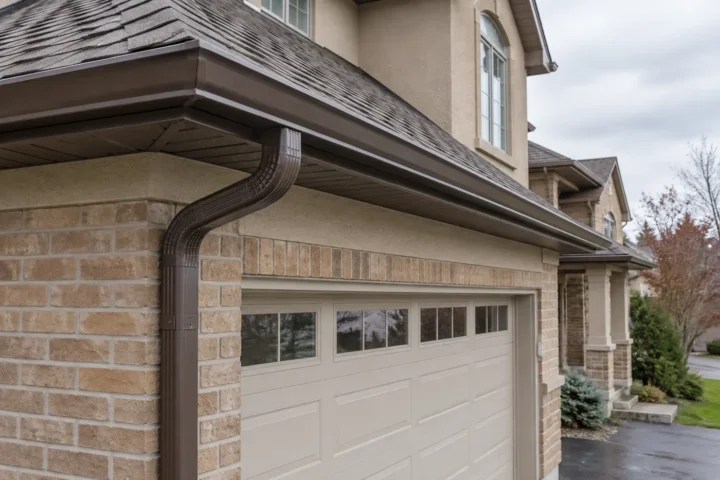
Soffit finishes the underside of the eave; fascia finishes its outer edge and is often associated with gutter attachment. Stains, displaced panels or a gutter pulling away can reflect more than surface wear. Aluminum capping can protect suitable trim, but it cannot make deteriorated supporting wood sound. Where a roof or flashing issue may be involved, that possibility should be identified rather than attributing every mark to gutters.
Milton drainage decisions
The Town of Milton and Halton Region provide guidance on moving downspout water away from foundations and maintaining suitable surface drainage. Distance is only one factor: runoff should have a workable destination that does not create a new problem at a walkway, driveway or neighbouring property. Exterior gutter and downspout changes can improve roof-runoff management, but they cannot guarantee a fix for basement water with other causes. Our Milton drainage guide explains the distinctions in detail.
Commercial and managed properties
Low-rise plazas, offices, industrial units, townhouse communities and managed properties need building-specific scopes. Longer exterior runs, multiple outlets, tenant entrances, parking and loading can affect both installation and ongoing maintenance. Start with the building and elevation where water is seen, the timing of the problem and how water travels at ground level. The commercial services pages separate repair, installation, downspouts, cleaning and multi-property planning.
What to share for a useful estimate
Provide the property type, affected elevation, photos of the roof edge and ground-level discharge, and a short description of the timing. Mention prior cleaning or repairs, number of storeys, tree cover and anything that limits access. For larger properties, a building or unit reference helps. The scope can then be discussed around the condition you see and the work needed to move water through the complete route.
Frequently Asked Questions
What part of a gutter system should be checked first?
Start where the symptom appears, then follow water from roof plane through gutter, outlet, downspout and final discharge. A visible drip may come from a nearby connection, a restriction upstream or water tracking from the roof edge.
Can only one leaking section be repaired?
Often, when the surrounding material, attachment and slope are sound. A moving corner, widespread deterioration or repeated failures may call for a broader repair or replacement discussion.
Will new eavestroughs prevent basement flooding?
They can improve the management of roof runoff, especially when current discharge is unsuitable. Basement water can also involve grading, foundation, stormwater or wastewater conditions; new gutters alone cannot guarantee a dry basement.
What should I include with an estimate request?
Share the Milton property location, building type, affected elevation, timing of the problem and safe photos of the roof edge and downspout exit. Note earlier cleaning or repairs and any walkway, driveway or access concern.
Practical Reading for Milton Properties
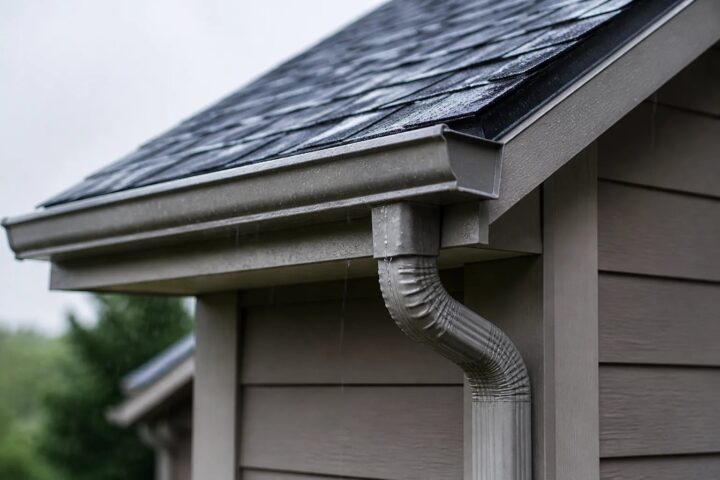
Gutter Leak Repair in Milton: Find the Cause Before You Seal the Drip
A visible drip is not always a failed seam. Learn what the timing and location of water can reveal…
Read Guide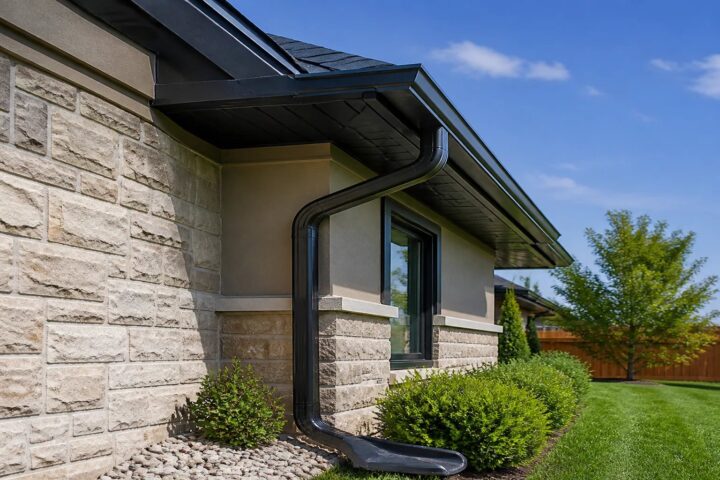
How to Plan an Eavestrough Replacement in Milton
A useful eavestrough replacement plan follows water from every roof edge to a suitable ground-level discharge area, rather than…
Read Guide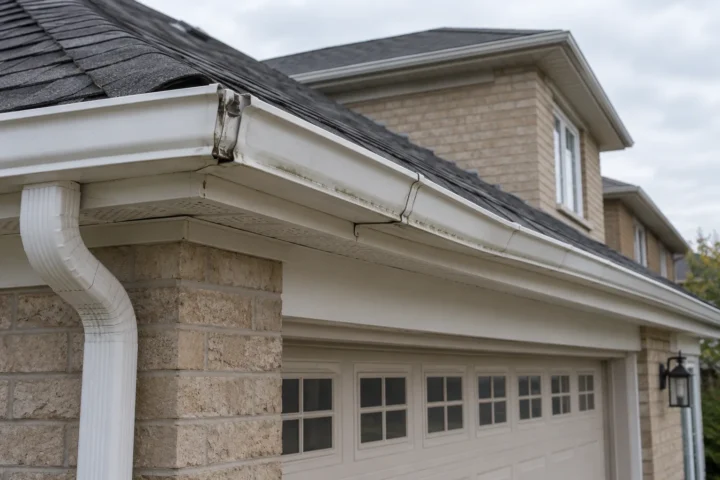
Should a Leaking or Sagging Eavestrough Be Repaired or Replaced?
A single leaking joint or loose hanger can be a focused repair. Widespread sagging, failing support or repeated problems…
Read Guide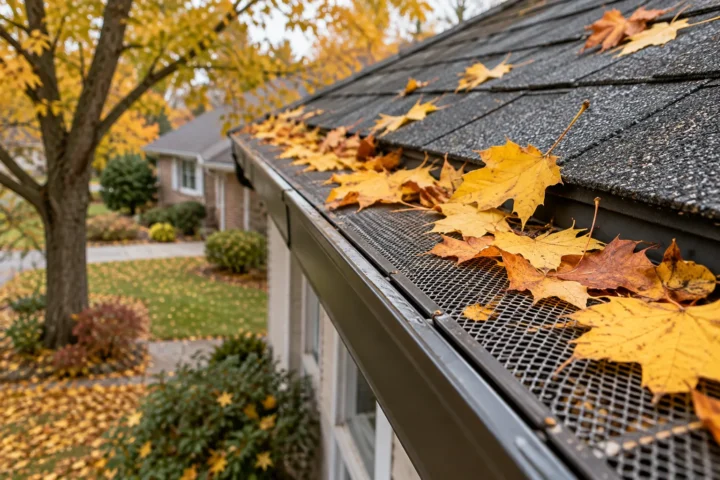
Do Gutter Guards Eliminate the Need for Gutter Cleaning?
Guards change the cleaning task; they do not eliminate it. Leaves may stay on top, fine debris may pass…
Read Guide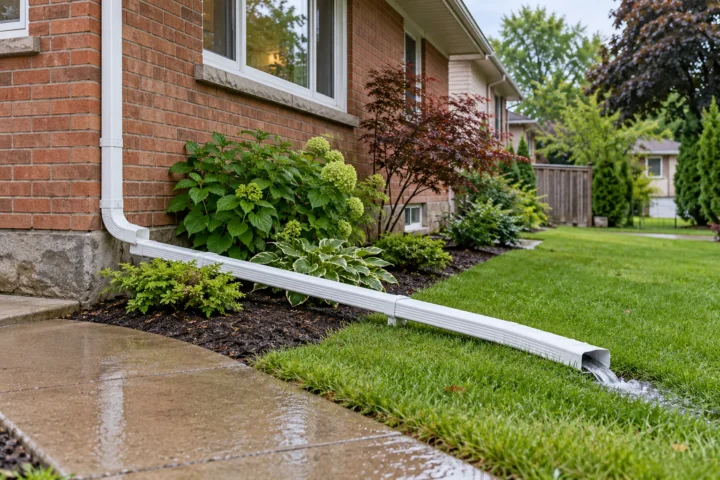
Where Should a Downspout Discharge in Milton?
A downspout is complete only when its endpoint sends roof water to a suitable area. The distance from the…
Read Guide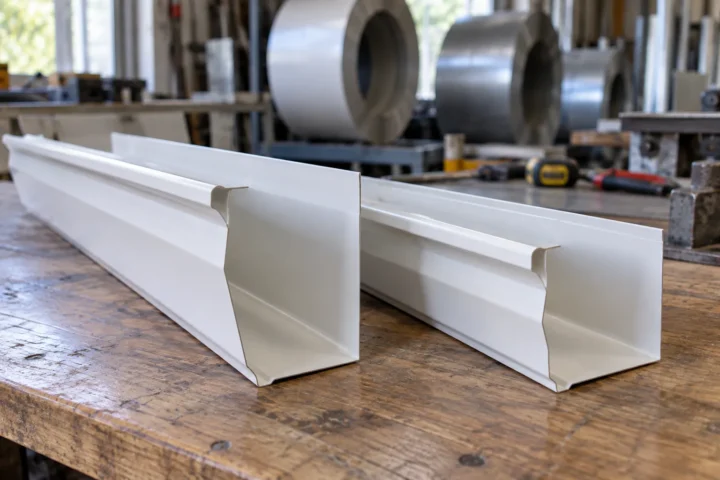
5-Inch vs 6-Inch Eavestroughs: What Changes the Right Size?
The profile size question is really a question about how much roof water reaches each run and how reliably…
Read GuideTell Us About Your Milton Property
Share the roofline, the work you need and where water ends up today. Include photos if they show the gutter, outlet, downspout and discharge area.
Helpful details to include
- Property type, approximate height and access
- Where water appears and when it happens
- Installation, repair or maintenance goal
- Photos of the roofline and discharge area, if available