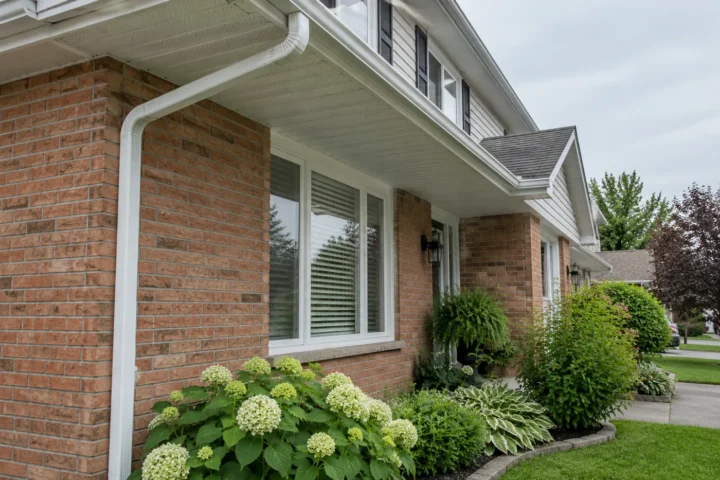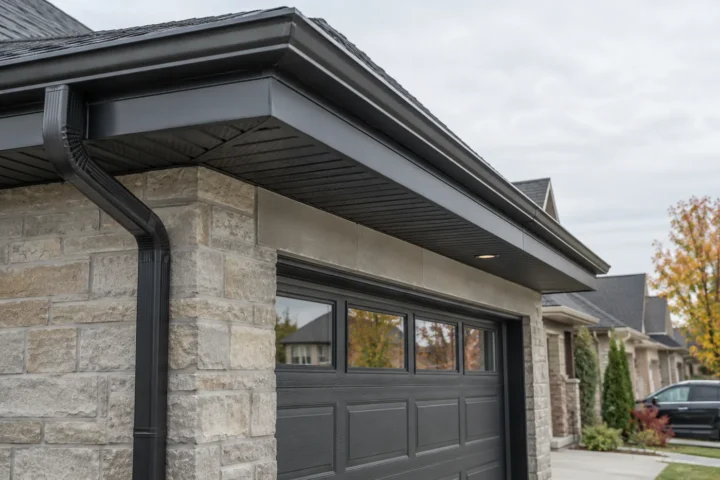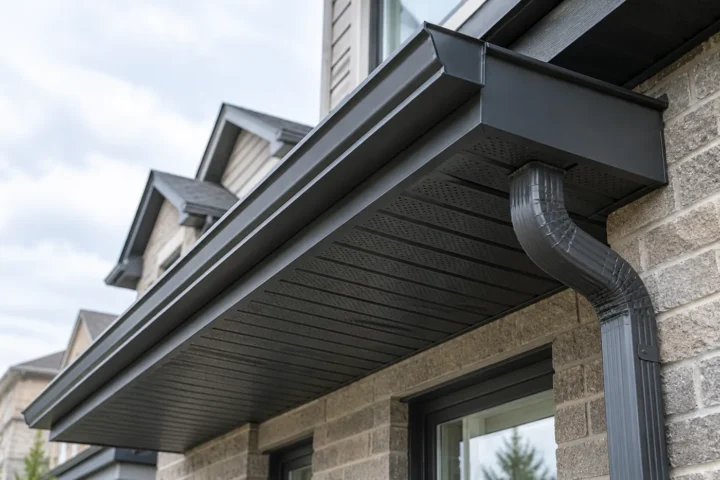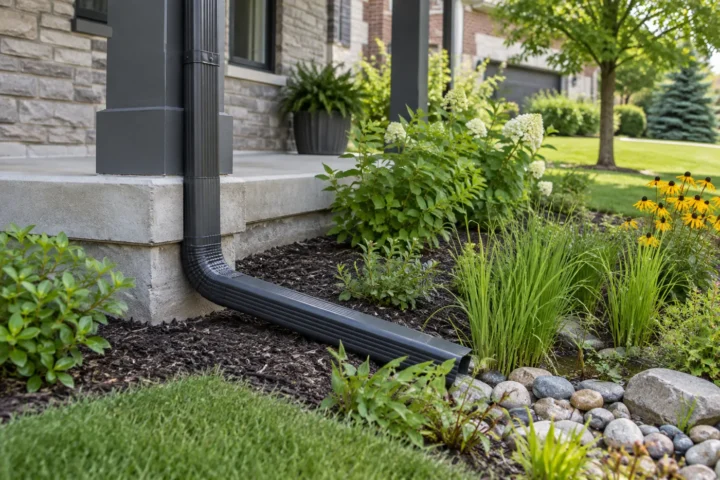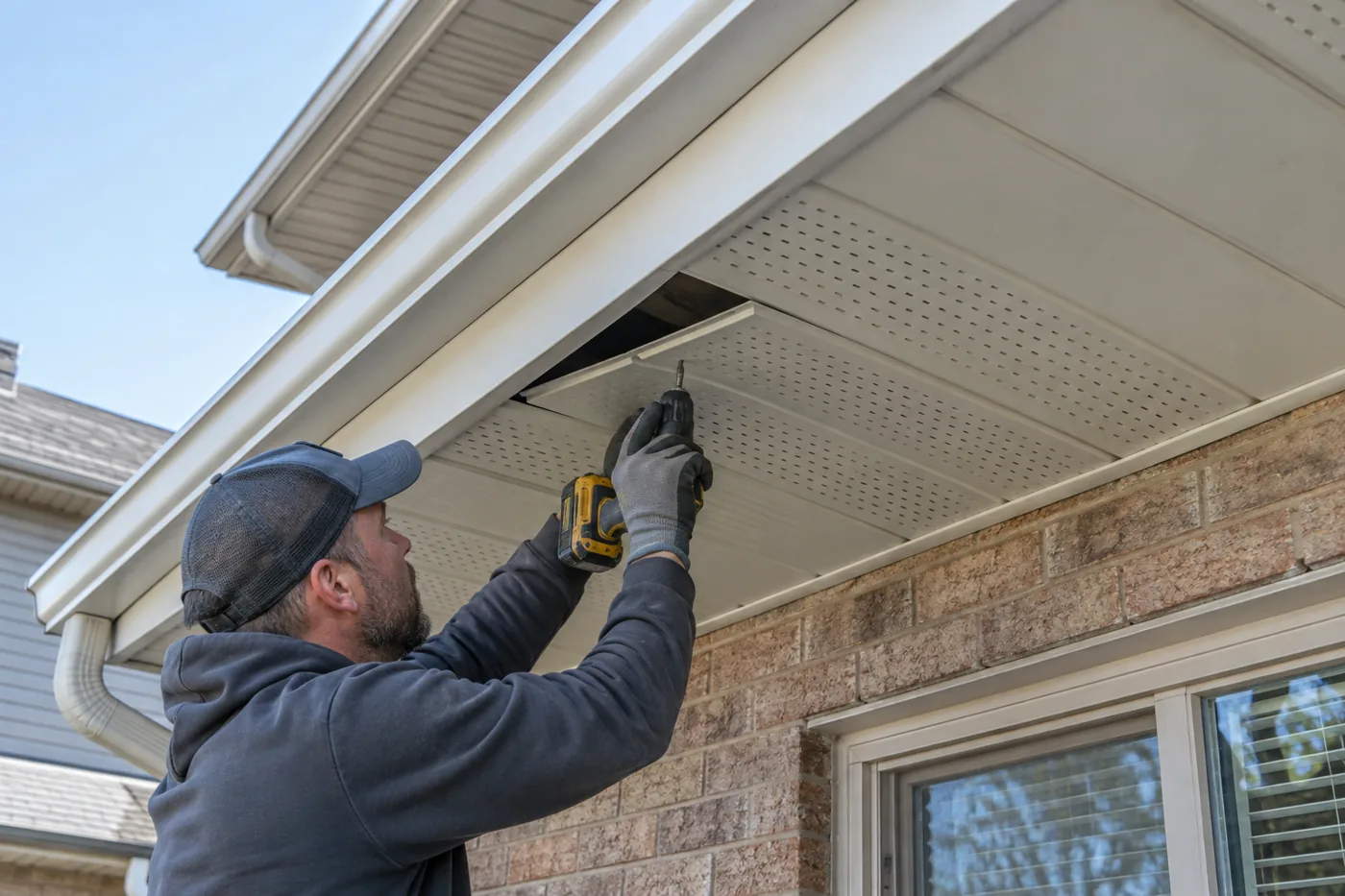
Soffit and fascia repair can address a missing panel, loose edge, displaced metal or limited physical damage while leaving sound surrounding material in place. The visible condition is only part of the assessment. A stain could relate to overflowing gutters, water behind the gutter, roof leakage or moisture from another source. Fascia may also be the supporting location for a gutter; if that backing is weak, replacing a cover panel alone will not secure the gutter. The repair decision should identify both the damaged material and the cause of its failure.
Classify the symptom before selecting a fix
A panel that shifted after wind differs from material that repeatedly loosens near a sagging gutter. Impact damage can be confined to one area. Widespread stains over several eaves may point to a continuing moisture pattern. Document which side of the house is affected and whether it changes during rain or thaw.
Examine the gutter edge and roof above a discoloured area. Water may overflow the front, run behind the back edge or enter from a roofing detail. Some sources belong outside gutter and aluminum work. Covering the mark with new metal is an incomplete response if moisture continues behind it.
Targeted panel and trim work
A missing soffit panel can sometimes be replaced while adjacent panels remain, provided the receiving trim and support are sound. Loose fascia may need refastening, replacement of a short section or attention to its backing. Product shape and colour matching matter on a visible elevation, but fit and support matter more.
The boundary of a local repair should be explained. If adjoining material is brittle or repeatedly moving, a larger section may provide a cleaner transition. If only one section is physically damaged and its neighbours remain secure, a complete roofline replacement could be unnecessary.
Gutter attachment and substrate
A gutter pulling away can expose damaged fascia or force a fascia repair. Inspect hangers, fasteners, debris load and the material into which they attach. Aluminum fascia itself is a finish; it is not a substitute for sound structural backing. Work on the gutter and its attachment should be coordinated if that is the source of displacement.
Replacing a wet or soft supporting board may change the repair scope once material is opened. Separate that decision from simply refitting a visible panel. A homeowner should understand what was found, which length is affected and whether the gutter must be detached and realigned.
Confirm the cause has been addressed
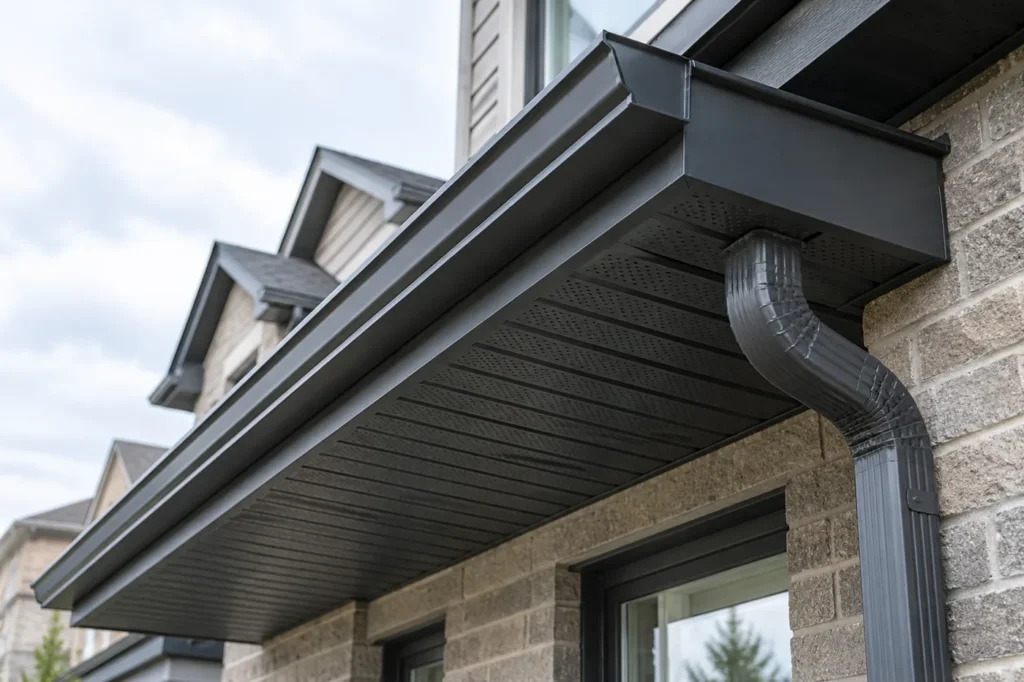
After a repair, check the joins to adjacent soffit and fascia, exposed fasteners, corners and the position of any refitted gutter. If rainwater caused the original damage, trace where it now travels through outlet and downspout. If a roof leak remains possible, that uncertainty needs candid explanation instead of a promise that the new metal solves it.
Monitor a repaired area after the next meaningful rain or freeze-thaw period. A reappearing stain or loose edge is evidence the underlying issue has not been fully resolved and warrants a closer look at the source.
Use the shape of damage as evidence
A panel bent by a branch, a long water stain and repeated movement near a gutter bracket are different observations. Note whether damage is confined to one bay, follows a joint or continues across multiple elevations. This helps select a targeted replacement and decide whether the source needs further investigation.
A stain that appears after rain may be active; one that does not change could reflect older damage. Neither observation alone establishes the source. Look for water at the gutter, roof edge and nearby wall before covering the mark.
Separate an aluminum repair from wood work
The metal face and supporting substrate have different roles. A loose fascia cover can sometimes be refitted, but a gutter attachment into deteriorated backing needs more than fresh metal. If material is removed, condition discovered beneath should be communicated clearly.
A local soffit repair also depends on sound receiving channels. Inserting a new panel into loose trim can repeat the failure in the next wind. A repair should address how the piece is retained, not only the missing surface.
Review adjacent connections
If a gutter is detached to reach fascia, reattachment should include alignment and hanger checks. If a roof leak is suspected above the soffit, avoid promising an aluminum repair will stop it. The handoff should identify any condition outside the agreed work.
Colour matching may be imperfect against weathered panels. Discuss repair boundaries and visual transitions, especially on a front elevation. A larger section may be chosen for a consistent finish even when the physical damage is small.
What a localized repair should include
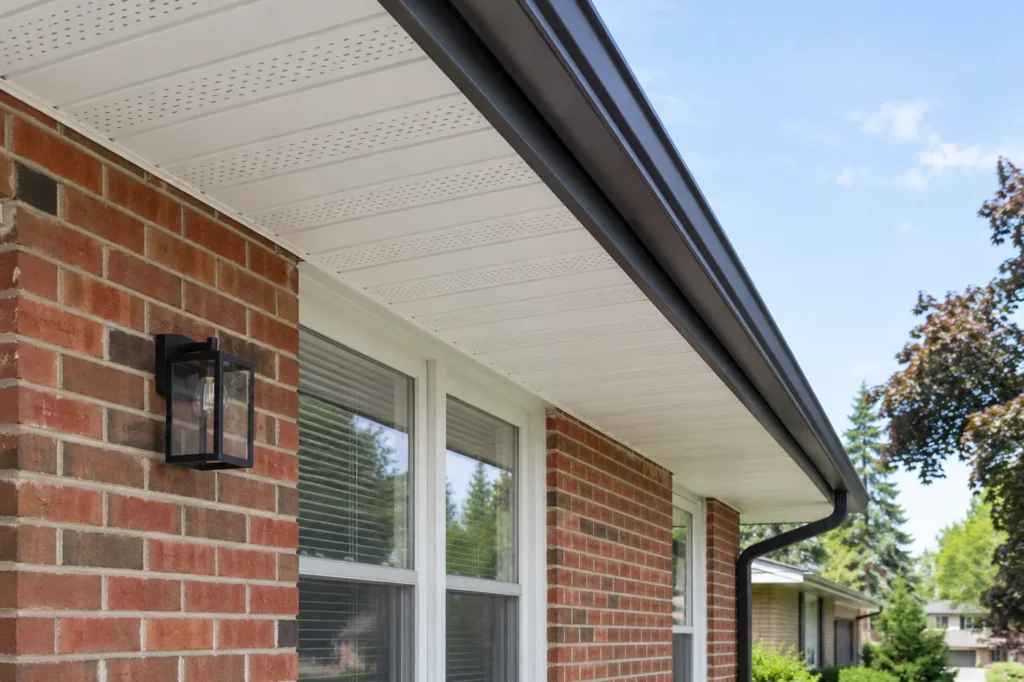
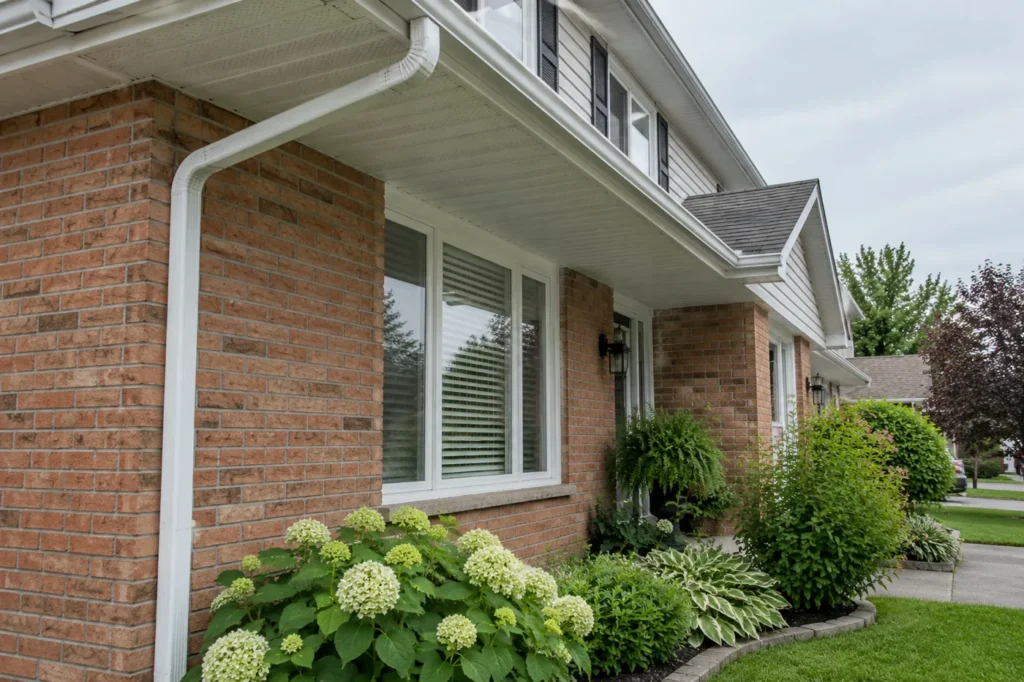
Specify the number and location of panels or fascia lengths, receiving trim, fasteners and any gutter removal. A loose panel that has lost its channel needs more than a matching new panel. A displaced fascia beside a pulling gutter needs support review as well as the visible finish.
Adjacent panels should be checked for movement. If the problem is confined, a targeted scope can preserve sound material. If several sections are loose or backing is deteriorated, describe why a longer replacement is more practical.
Watch for an unrelated source
Soffit staining can be associated with roof leakage or condensation even where gutters look sound. A roof-related concern should be identified for separate assessment rather than covered by a new aluminum panel. A stain that grows during heavy rain provides a different clue from an isolated impact dent.
After repair, compare the affected area following similar weather. If moisture returns, its location and timing can refine the diagnosis. The visible metal repair may have succeeded while an upstream roof condition still requires attention.
When a patch is likely to last
A targeted repair has the best prospect when neighbouring panels and channels are stable, backing is sound and the event causing damage has stopped. One wind-displaced piece can be different from repeated movement along an entire eave. If water staining is the reason for replacement, the source should be investigated first. Documenting the location and weather timing can help: a stain appearing immediately with rainfall suggests a different path from longstanding discoloration that does not change. The quote should identify both the metal being repaired and any gutter or roof-edge issue that remains outside that limited scope.
Separate damage from its cause
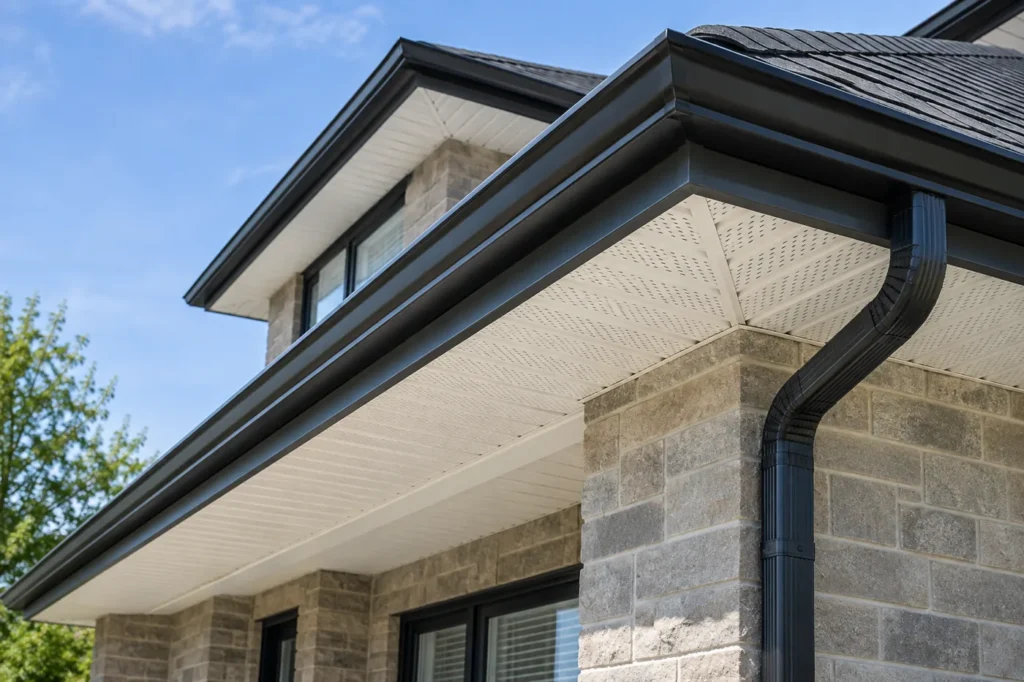
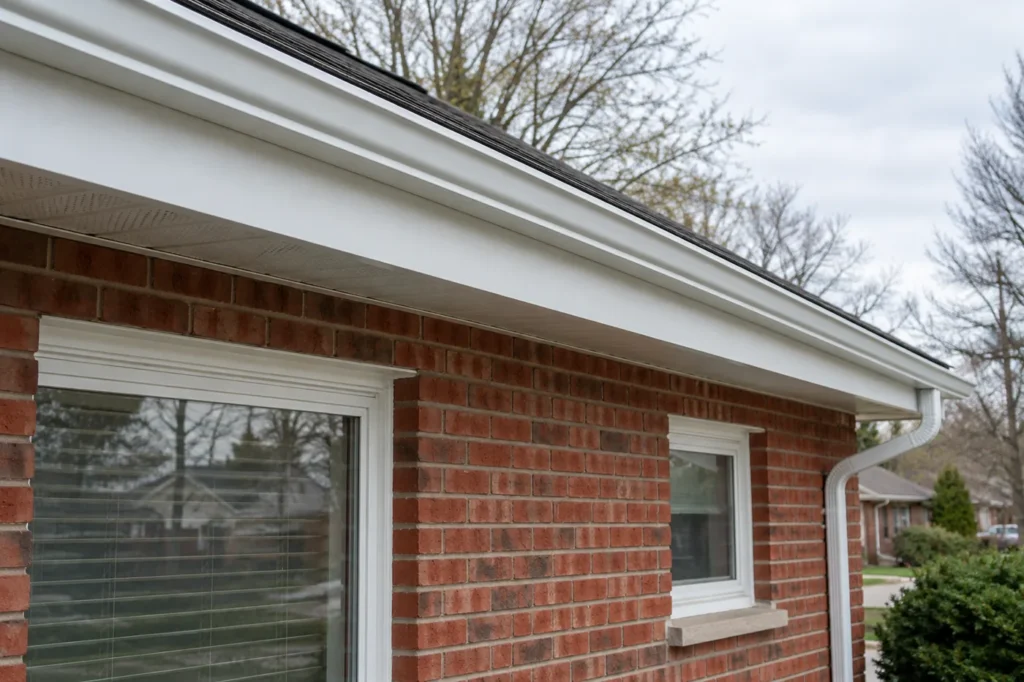
Soffit and fascia display symptoms near the roof-water path but can also show damage from roofing, ventilation or impact. Repair planning follows water from the roof edge into the gutter and onward, while avoiding an assumption that the gutter caused every stain. The finish and supporting substrate are evaluated separately.
Scope and cost factors
Access, extent of damage, whether matching panels are available, gutter removal, substrate condition and the need to investigate a roof-water cause influence scope. A targeted repair can be economical when the surrounding material is sound; repeated failures or broad deterioration may justify replacement.
Details to include in your request
Send close and wide photos of affected material. Indicate whether panels fell after wind, staining follows rain, a gutter is loose or a prior repair failed. Describe any visible openings, water drips or attic concerns without attempting to access an unsafe roof area.
Continue planning the right work
Widespread underside deterioration points toward soffit replacement, whereas weak gutter backing may require fascia and support work. The damage guide helps distinguish staining, physical impact and loose material. If active runoff is spilling near the affected area, overflow diagnosis should precede refinishing. A repair remains appropriately narrow when the source is known and neighbouring material is sound.