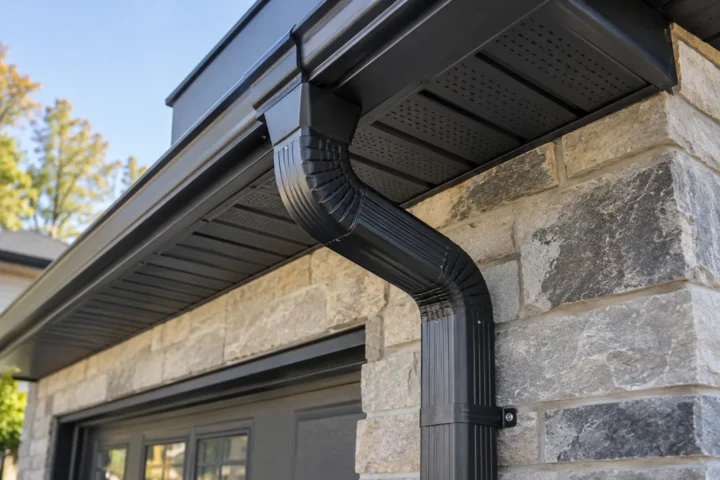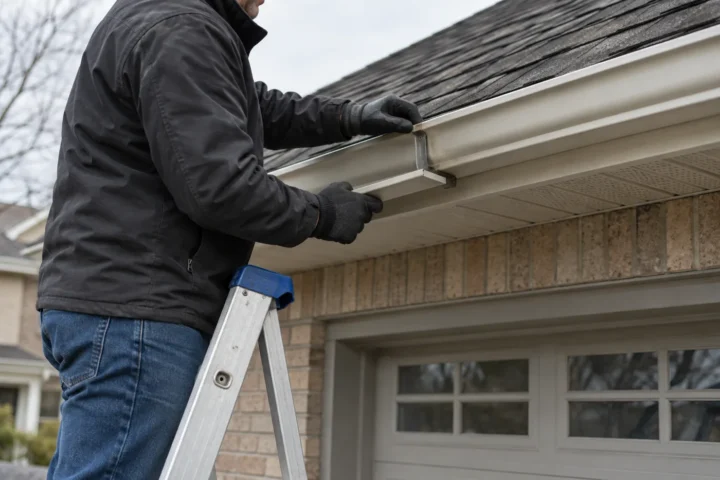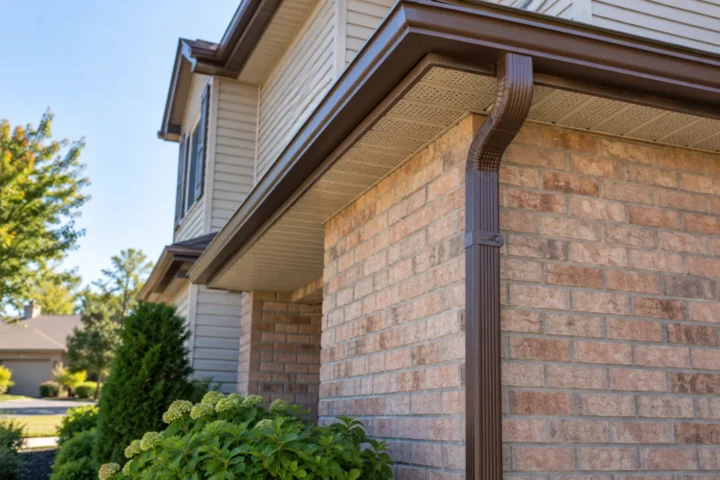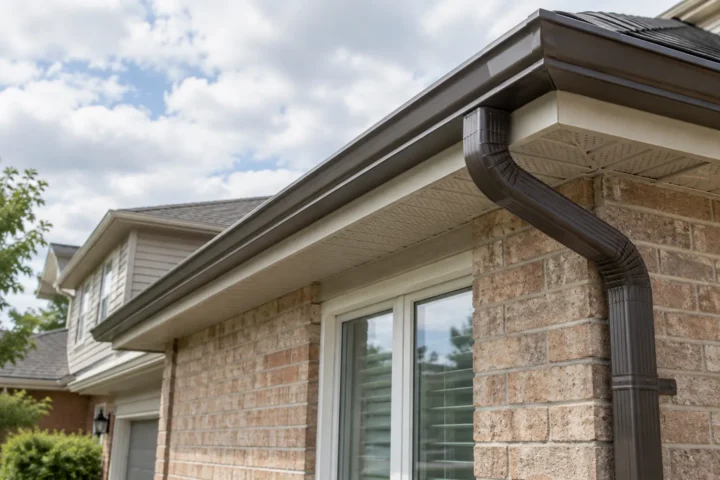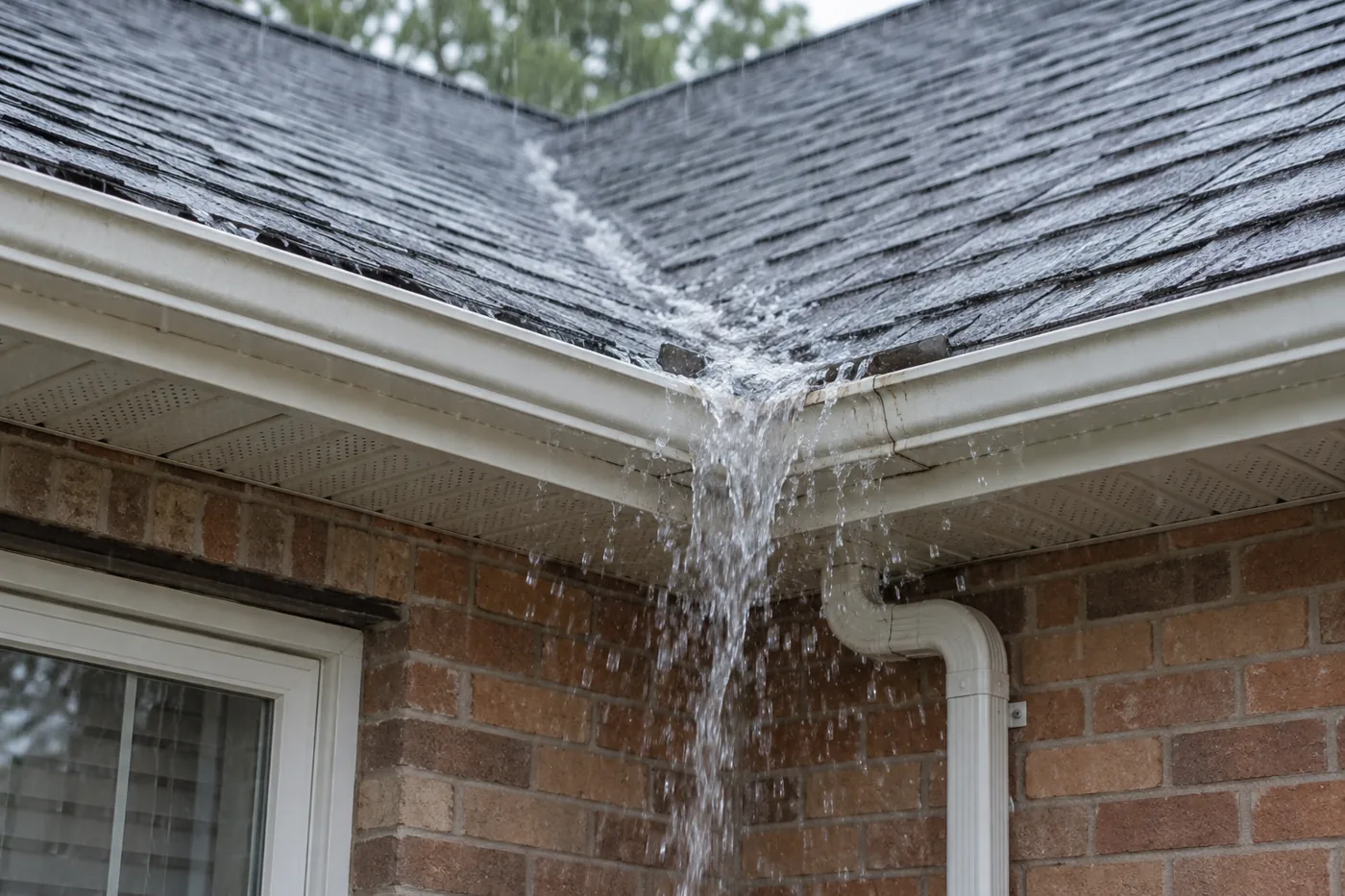
Overflow is a symptom, not a single diagnosis. Water may spill across the entire front edge during heavy rain, gush at a valley, back up at one outlet or run behind the gutter. The timing and location point to different causes. Cleaning is sometimes enough, but a clear channel can still retain water due to slope, a blocked elbow or too few suitable outlets for the roof geometry. The right scope follows the actual movement of runoff from roof plane to final discharge.
Use the pattern of overflow as evidence
Overflow at one short spot directly under a valley suggests concentrated roof flow that differs from a gradual spill along a debris-filled run. Water at the high end of the channel may indicate an outlet restriction or incorrect pitch. A gutter appearing dry soon after rain can still have overflowed when runoff was most intense; photographs or safe ground-level video during a storm can preserve that evidence.
Water behind the back edge may be related to gutter alignment, roof-edge detail or flashing, rather than ordinary capacity. A drip from a corner seam is different again. Avoid treating every wet fascia board as proof that the gutter needs to be larger.
Check restrictions in order
Leaves, seeds and roofing grit can build up at the outlet even where most of the gutter looks open. A guard can shed large leaves while fine debris collects beneath or at its edge. Follow the path through the outlet, upper elbow, vertical downspout and lower connection. One blocked bend can cause water to back up several metres away.
If the channel and downspout are clear, inspect visible slope, hanger placement and any depressed section that pools water. Correcting a sag may restore flow. Persistent overflow during heavy, concentrated runoff can require a review of outlet location, additional drainage points or profile choice, but these decisions depend on the roof and available discharge routes.
Roof geometry changes the answer
Two houses with equal gutter length can deliver very different water volumes to a particular corner. Valleys, upper roofs spilling onto lower roofs, steep planes, garages and additions all affect where runoff arrives. A small porch gutter may receive an upper downspout as well as its own roof water. This concentration must be understood before claiming the existing channel is undersized.
Moving or adding an outlet changes where a downspout can travel down the wall and empty at ground level. A convenient roof-edge fix that sends more water onto a walkway can create a new hazard. Capacity, downspout routing and discharge therefore belong in the same decision.
Choose a remedy matched to the cause
Cleaning can remove a blockage; maintenance may help with recurring tree debris. Localized hanger work may correct a shallow low spot. A damaged section, inappropriate outlet configuration or repeatedly failing layout may justify replacement of part or all of a run. Gutter guards should only be considered after confirming the underlying slope and outlet are suitable.
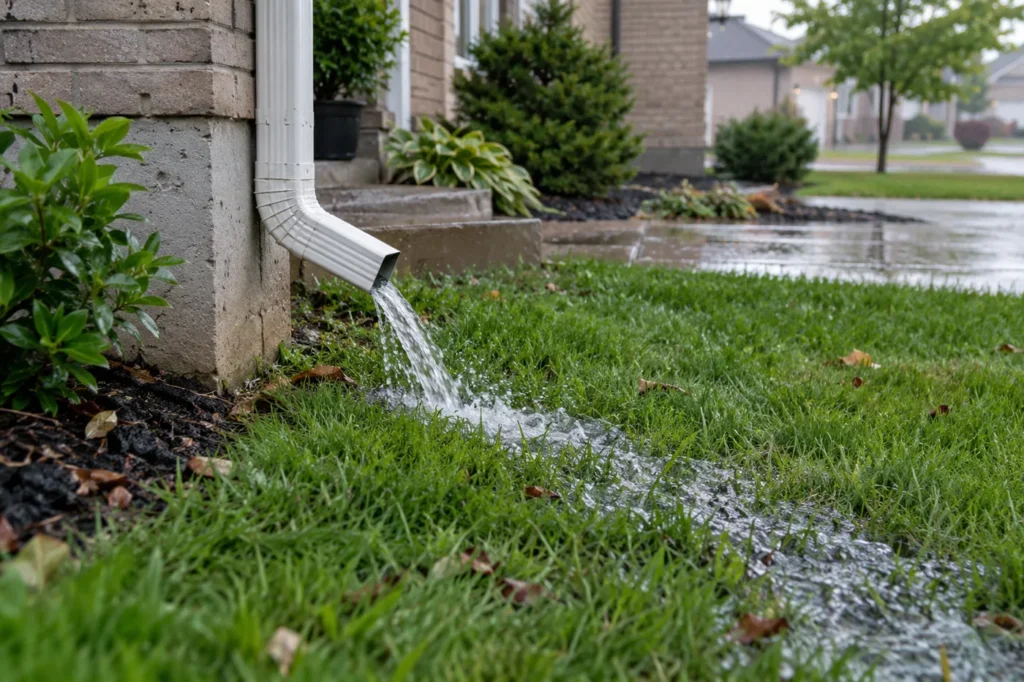
Where water is reaching the ground successfully but pools beside the building, the gutter may be functioning while discharge or grade needs attention. Distinguish the location of roof-edge overflow from ground-level drainage. Both can matter, but they do not have the same repair.
Compare ordinary rain with a strong storm
A channel overflowing immediately during light rain often suggests a significant restriction or gross misalignment. Spill that appears only when a valley receives intense flow may point to local concentration or outlet placement. The difference is diagnostic but not conclusive; a partially clogged elbow might also reveal itself only under stronger flow.
Track whether water travels over the front edge, past the end cap or behind the gutter. Each path points to different components. Photos during the event can preserve a pattern that disappears by the time someone inspects the dry roofline.
Guards and upper roofs can change the inflow
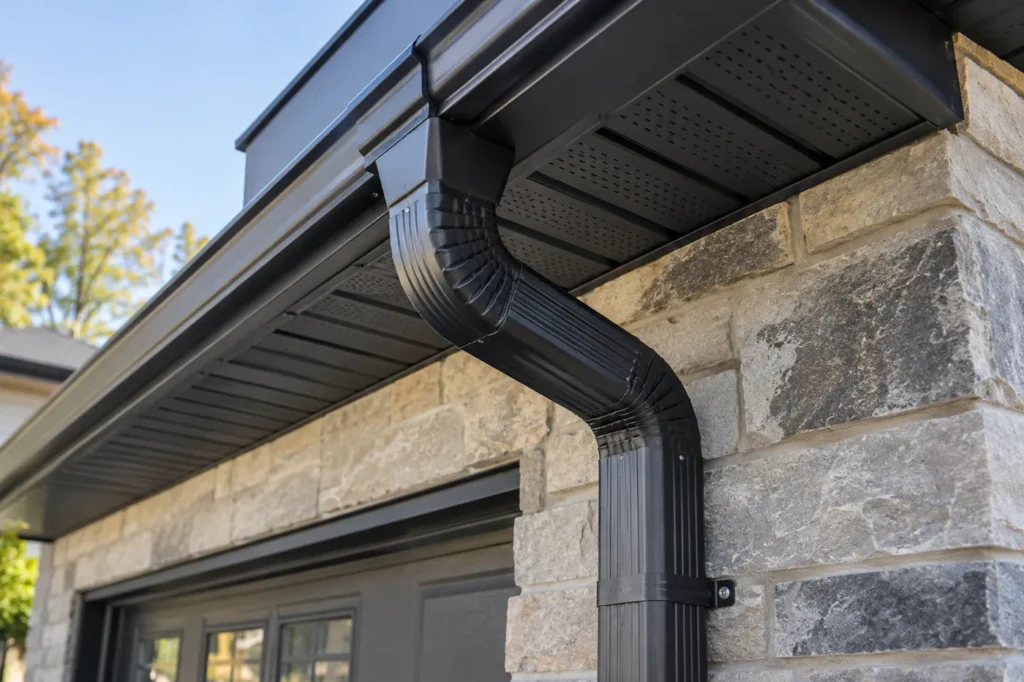
A guard may be covered with leaves or block entry beneath a high-flow valley. An upper downspout spilling onto a lower roof can send runoff to a short lower gutter from two catchments. These conditions change local load without changing the visible length of the problem run.
If an outlet is clear but water still ponds upstream, examine whether the gutter sags or pitches away from it. Adding a larger downspout below an outlet does not correct a channel that cannot move water toward that opening.
Treat the remedy as a sequence
Clear debris before judging profile capacity. Correct obvious attachment or slope defects before deciding an entire run is inadequate. Then consider outlet placement and downspout route in light of roof geometry. This sequence helps avoid replacing a gutter to solve a blockage that will recur in the new pipe.
After water reaches the ground, check whether the discharge area handles it. A formerly overflowing system may deliver more water to a low point once the outlet is improved. Roof-edge performance and ground-level drainage are linked but require different observations.
A diagnostic comparison of common patterns
If water spills near an outlet and the downspout remains quiet, suspect a restriction at the opening or in the pipe. If one low spot overflows but the outlet runs, look at sag and slope. If water sheets over a guard below a valley, inspect the guard’s entry behaviour and concentrated inflow. If water appears behind the channel, examine roof-edge alignment and other possible roof details.
These are starting hypotheses, not final diagnoses. A strong storm can expose several conditions at once. Clearing debris might reveal that a sagged run still retains water; repairing the sag might then reveal that the discharge area needs a better route.
Avoid an automatic size upgrade
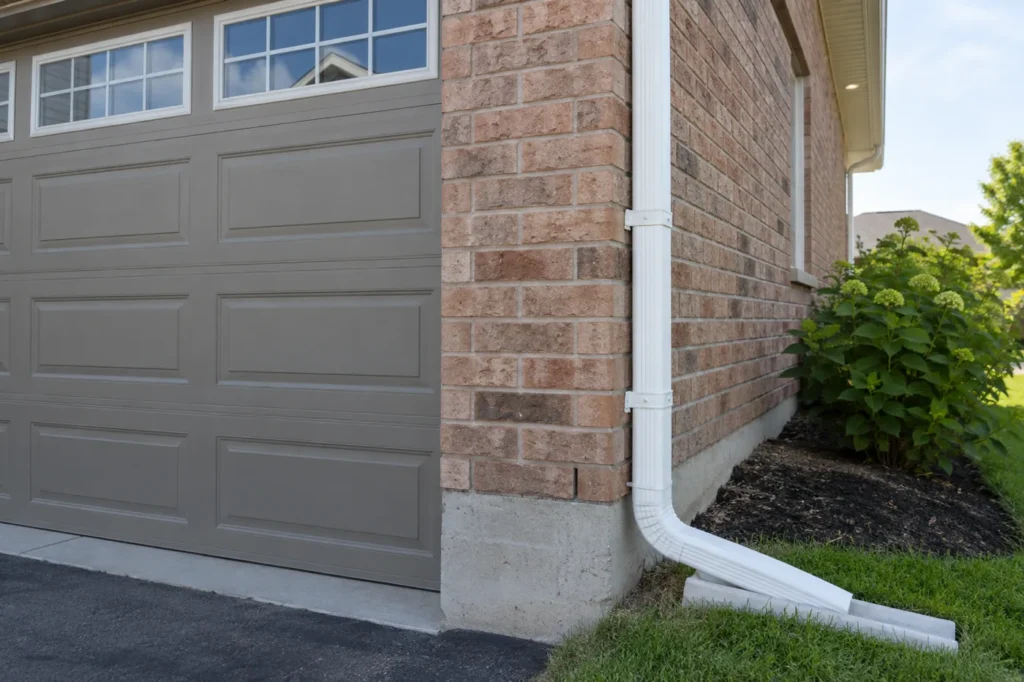
A wider gutter provides more channel volume but does not make a blocked outlet open or a downspout take a better path. Before changing profile, confirm the roof area, valley concentration, number and position of outlets and condition of the existing system. Where the layout is sound but capacity genuinely appears insufficient under predictable flow, compare the profile alongside downstream changes.
The appearance of a larger profile may also differ from the current roof edge. A capacity discussion should describe the practical benefit at the affected elevation instead of applying the same upgrade across every side of a house.
Ground-level evidence is part of troubleshooting
After clearing the roof edge, observe where the increased flow ends. Water that used to overflow before reaching the outlet may now collect by a basement wall, at an entrance or in a driveway depression. That is a different problem but an important consequence of restoring the system.
Describe which issue the proposed scope addresses: debris, slope, outlet, downspout, gutter profile or discharge. If more than one is present, prioritize the sequence and keep the results of each step observable. This prevents a single broad recommendation from hiding the actual reason for work.
Record a storm without taking risks
A short ground-level video can show whether runoff overshoots below a valley, pours over an entire front edge or backs up near an outlet. Note whether a downspout is flowing at the same time and where its water lands. This evidence is often more diagnostic than a dry-weather photograph of a stained gutter. Do not climb or lean from a window during a storm to get a closer view. If the pattern is uncertain, an assessment can start from safe observations and inspect components when conditions permit. The most useful outcome is a cause-linked repair scope, not a guess based on the intensity of one rainfall.
Find the first point of failure
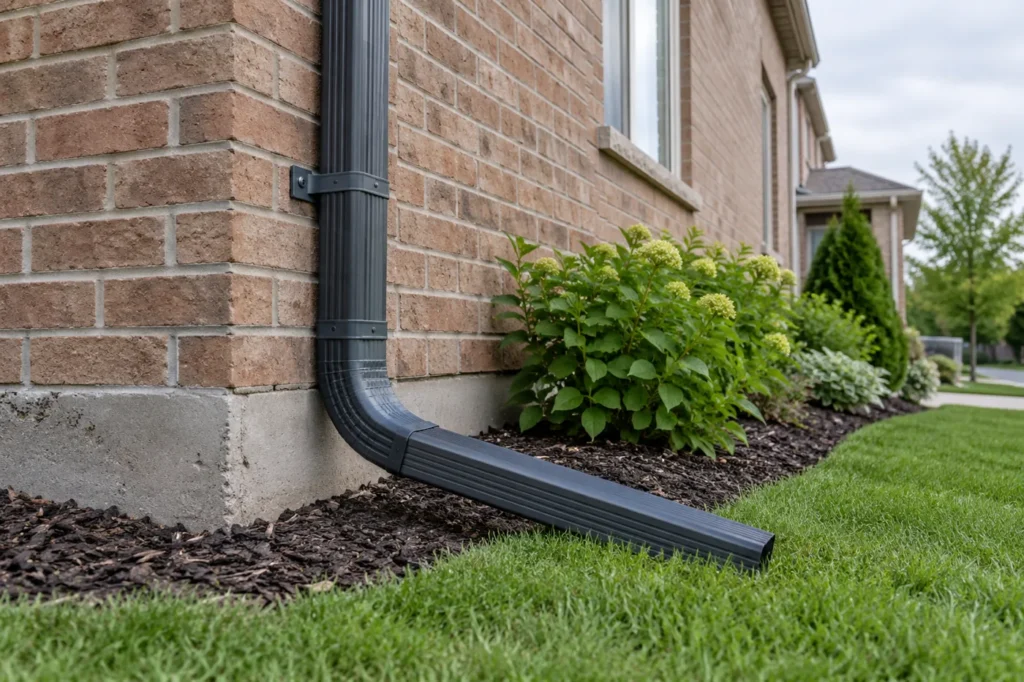
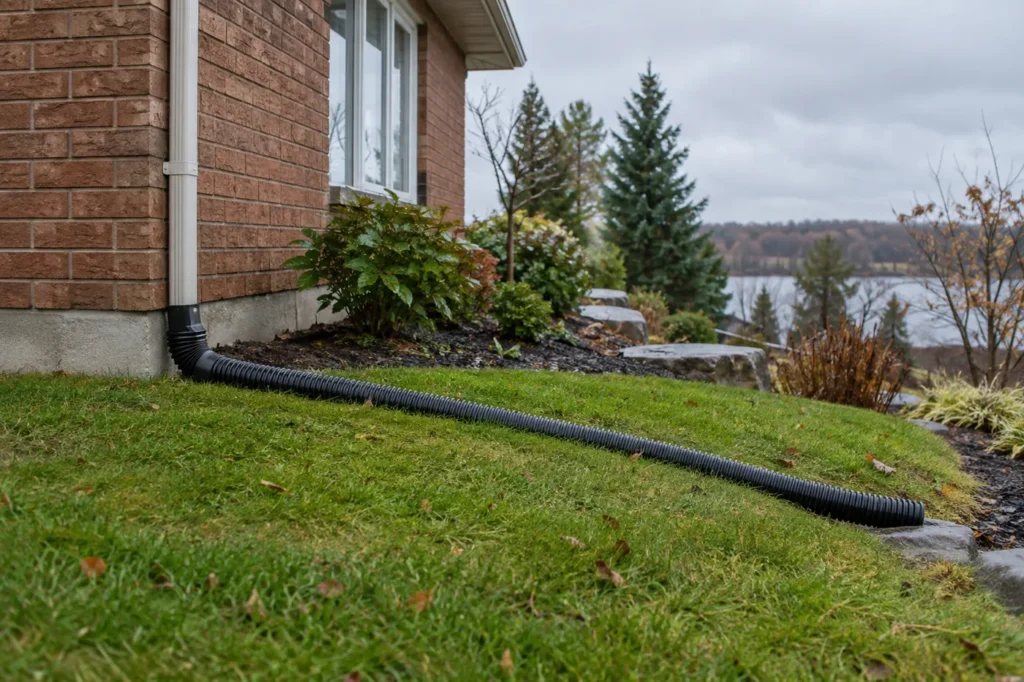
Trace the exact route: roof plane, gutter channel, outlet, downspout and surface beyond the extension. Stop where the first restriction, spill or misdirection appears, then check downstream consequences of the proposed fix. Water that leaves a formerly blocked channel can still need a better discharge location.
Diagnose before pricing a remedy
An estimate may involve cleaning and inspection, a local repair, outlet relocation, downspout work or replacement. Storeys, access, valleys, roof area and whether guards must be removed alter scope. Larger gutters are one possible design choice only after ruling out restrictions and slope problems; they are not the default conclusion.
Details to include in your request
Describe where and when overflow happens, whether the gutter has recently been cleaned, and whether water comes over the front or behind the back edge. Photos during rain and of the nearby outlet, downspout and discharge area are particularly useful. Avoid climbing to collect evidence in unsafe conditions.
Continue planning the right work
For the homeowner’s view of when and where water spills, start with overflowing gutters. Cleaning can establish whether debris is the controlling restriction, while downspout work becomes relevant when the outlet or pipe cannot carry the flow. The profile guide helps evaluate capacity only after those basic causes and the roof’s concentrated flow points are understood.